Mohcine CHEKKOUR1, Adra JAAFAR2 and Zakaria BENNANI1
1National School of Management of Tangier (ENCGT)ABDELAMALEK ESSAADI UNIVERSTY, Tangier, MOROCCO
2The Faculty of Law, Economic and Social Sciences in Tangier, ABDELAMALEK ESSAADI UNIVERSTY, Tangier, MOROCCO
Volume 2025,
Article ID 862935,
Journal of Financial Studies and Research,
16 pages,
DOI: 10.5171/2025.862935
Received date: 19 June 2025; Accepted date: 31 July 2025; Published date: 6 October 2025
Cite this Article as:
Mohcine CHEKKOUR, Adra JAAFAR and Zakaria BENNANI (2025)," Mapping Research on Islamic Finance and Entrepreneurship: A Bibliometric Analysis ", Journal of Financial Studies & Research, Vol. 2025 (2025), Article ID 862935, https://doi.org/10.5171/2025.862935
Islamic finance and entrepreneurship have a dynamic, evolving relationship. Yet, until now, there has been no thorough, focused mapping of how these two areas intersect. This gap has made it difficult to fully understand how Shariah-compliant financial tools truly foster entrepreneurial growth. Recognizing this shortfall, our study set out to fill the void and provide a clearer picture of this important intersection for both researchers and practitioners.
For this Purpose, we gathered publication data from Scopus and Web of Science, covering research from 1990 up to early 2025. Using tools like VOSviewer and the Bibliometrix package in R, we quantitatively analysed publication trends, co-authorship networks, keyword co-occurrence, and co-citation patterns.
Our analysis revealed that interest in this interdisciplinary field has grown exponentially, especially since 2015. This is due to the rising attention from both academics and industry practitioners.
Regarding research themes, several key focus areas emerged, for instance, Support for SMEs: A strong emphasis on how Islamic finance can help Small and Medium-sized Enterprises (SMEs) grow and thrive; also, Microfinance and Inclusion: Numerous studies explore Islamic microfinance as a tool for alleviating poverty and empowering women’s entrepreneurship; and FinTech and Crowdfunding: The rise of Islamic financial technology (FinTech) and crowdfunding is highlighted as an emerging avenue to support entrepreneurs within a Shariah-compliant framework.
Thus, mapping the landscape of Islamic finance and entrepreneurship offers valuable insights into this vital domain. The findings serve as a roadmap for future research, highlighting where the field has been and where it is headed.
Islamic finance, a rapidly expanding sector rooted in Shariah principles, offers a distinct ethical paradigm to conventional financial systems (El-Gamal, 2006). Its foundational tenets, such as the prohibition of interest (riba) and the emphasis on risk-sharing, naturally align with and actively support entrepreneurial endeavors and genuine economic activity (Shane, 2003). Concurrently, entrepreneurship is globally recognized as a pivotal engine for innovation, job creation, and economic prosperity (Chapra, 2008). The synergy between these two dynamic fields—Islamic finance and entrepreneurship—has emerged as a promising interdisciplinary domain, fostering inclusive development by leveraging Shariah-compliant financial tools to ethically bolster enterprises and contribute to broader societal well-being.
Despite the escalating academic and practical interest in both Islamic finance and entrepreneurship individually, the specific intersection of these two fields remains an area that has not been comprehensively mapped. While existing bibliometric reviews have explored broader aspects of Islamic banking and finance (e.g., Abedifar et al., 2015; Hassan & Aliyu, 2018), a focused and systematic mapping of the literature specifically at the nexus of Islamic finance and entrepreneurship is conspicuously absent. This critical gap means that researchers, policymakers, and practitioners currently lack a holistic understanding of how various Islamic financial instruments—such as profit-sharing mechanisms, microfinance, venture capital, and crowdfunding—are contributing to entrepreneurial development. A systematic overview is therefore crucial to highlight existing contributions, identify significant knowledge gaps, and strategically guide future research and practical applications.
This study directly addresses this identified gap by conducting an in-depth bibliometric analysis. Our primary objective is to comprehensively map the research landscape of Islamic finance and entrepreneurship. Through this rigorous process, we aim to uncover key publication trends, identify the most influential contributors (authors, institutions, and journals), delineate prominent and emerging thematic clusters, and ultimately pinpoint promising avenues for future research. This detailed and nuanced mapping is designed to empower academics with a clearer understanding of the intellectual structure of the field, provide practitioners with actionable insights into effective financial tools for entrepreneurs, and equip policymakers with evidence-based information to formulate supportive strategies for harnessing Islamic finance to foster ethical and sustainable entrepreneurial growth.
Specifically, this paper pursues the following objectives: (1) to meticulously trace the temporal evolution of scholarly publications in this interdisciplinary area; (2) to identify and analyze the most prolific authors, influential institutions, and leading journals that shape the discourse; (3) to conduct a thorough analysis of dominant and emerging research themes through keyword co-occurrence patterns; (4) to highlight the specific Islamic financial instruments and entrepreneurial contexts that have been the subject of scholarly inquiry; (5) to synthesize the key challenges and opportunities inherent in this field; and (6) to identify critical geographical or thematic gaps that warrant future research attention. By systematically pursuing these objectives, this paper endeavors to provide a structured, comprehensive, and forward-looking overview, serving as an essential roadmap for this rapidly evolving and impactful research area.
This paper is structured as follows: The next section details the rigorous methodology employed for data collection and bibliometric analysis. Subsequently, we present the comprehensive results, covering publication trends, leading contributors, thematic analysis, and network structures. The discussion section interprets these findings, highlights their implications, and outlines key challenges and opportunities. Finally, the conclusion summarizes the study’s contributions and suggests directions for future research.
Literature Review
The intersection of Islamic finance and entrepreneurship, while gaining significant traction, builds upon distinct yet interconnected bodies of literature. To contextualize our bibliometric analysis and highlight its unique contribution, this section reviews existing scholarly work, focusing on prior systematic literature reviews (SLRs) in related fields and identifying the gaps that necessitate our current study.
Islamic Finance Literature: A Landscape of Growth and Specialization
The broader field of Islamic finance has undergone extensive scholarly scrutiny, with numerous systematic literature reviews (SLRs) meticulously charting its evolution, core themes, and persistent challenges. Early reviews predominantly concentrated on the foundational conceptual underpinnings of Islamic banking and finance, emphasizing adherence to Shariah principles, ethical imperatives, and the fundamental prohibition of interest (riba) (El-Gamal, 2006). For instance, Hassan and Aliyu (2018) offered a comprehensive panorama of Islamic banking and finance literature, meticulously tracing its historical trajectory and pinpointing major research streams such as financial performance, risk management, and corporate governance. Similarly, Abedifar et al. (2015) critically examined the process of ‘conventionalization’ within Islamic banking, engaging in a robust discussion regarding its autonomy and efficiency when juxtaposed with conventional counterparts. While these reviews are undeniably foundational and have significantly shaped the discourse, they typically address Islamic finance within a general context, exhibiting limited specific attention to its direct and nuanced interface with entrepreneurial activities.
More recent scholarly endeavors have ventured into increasingly specialized domains within Islamic finance. Sairally (2017), for example, provided an insightful review of Sukuk literature, meticulously analyzing its intricate structure, issuance mechanisms, and market development. Other studies have extensively explored Islamic microfinance, consistently highlighting its profound potential for poverty alleviation and fostering financial inclusion, often with implicit, though not always explicit, links to micro-entrepreneurship (Sadeq, 2002). However, a recurring pattern in these reviews is their tendency to focus primarily on the financial instruments or sectors themselves, rather than systematically investigating their direct impact on, or dynamic interaction with, broader entrepreneurial ecosystems. The prevailing emphasis has largely remained on the supply side of Islamic finance, with a noticeable dearth of systematic exploration into its demand-side implications for entrepreneurs. This creates a significant lacuna in understanding the full spectrum of how Islamic financial products are actually utilized and perceived by entrepreneurial ventures.
Entrepreneurship Literature: Diverse Facets of Innovation and Growth
Concurrently, the field of entrepreneurship has burgeoned into a vast and multifaceted body of literature, with SLRs frequently categorizing research into pivotal themes such as entrepreneurial intentions, the intricate process of new venture creation, the vital role of small and medium-sized enterprises (SMEs), innovation dynamics, and the complex interplay within entrepreneurial ecosystems (Chapra, 2008). Reviews within this expansive domain typically engage in rigorous analysis of factors influencing entrepreneurial success, the critical role of governmental policies, and the multifaceted impact of various forms of financing on the trajectory of startup growth. While some reviews thoughtfully touch upon the ethical or social dimensions of entrepreneurship, the specific and dedicated role of faith-based financial systems, particularly Islamic finance, has not emerged as a central or systematically explored focus. This indicates a disciplinary silo, where the rich insights from Islamic finance are often overlooked in mainstream entrepreneurship discourse.
Bridging the Gap: The Underexplored Nexus of Islamic Finance and Entrepreneurship
Despite the individual maturity and extensive scholarly development of both Islamic finance and entrepreneurship as distinct research fields, their explicit and systematic intersection remains a relatively underexplored territory in comprehensive, systematic reviews. Prior studies that have incidentally touched upon this nexus often do so within broader discussions of Islamic social finance or general economic development, conspicuously lacking a dedicated and granular focus on the entrepreneurial dimension. For instance, while Islamic microfinance is frequently and rightly discussed in the context of poverty alleviation, its direct and measurable impact on fostering sustainable entrepreneurial ventures, and the specific mechanisms through which it effectively supports entrepreneurs, are not consistently the primary focus of existing reviews. This tangential treatment leaves a significant void in understanding the direct causal links and operational modalities.
Crucially, and this forms the bedrock of our study’s unique contribution, no prior bibliometric analysis has specifically and rigorously mapped the intellectual structure, thematic evolution, and collaborative networks at the precise intersection of Islamic finance and entrepreneurship. Existing bibliometric studies in Islamic finance have either adopted a broad disciplinary scope or narrowed their focus to specific sub-sectors like Islamic banking, often inadvertently overlooking the nuanced and critical relationship with entrepreneurship. This identified gap is not merely an academic oversight; it is profoundly significant because a comprehensive understanding of the dynamics within this specific interdisciplinary field is absolutely vital for both academic advancement and practical application. Without such a dedicated mapping, researchers risk inadvertently duplicating efforts, failing to discern and capitalize on emerging trends, or, most critically, neglecting to identify pivotal areas for future inquiry that could yield substantial practical benefits for entrepreneurs.
Methodology
To achieve our research objectives, this study employs a rigorous and systematic bibliometric review methodology (Zupic & Čater, 2015). This approach allows for a quantitative and objective “science mapping” of the intellectual landscape of Islamic finance and entrepreneurship, revealing patterns, trends, and structures that might not be apparent in traditional qualitative reviews. Our methodology is structured into two main stages: data collection and data analysis.
Data Collection and Screening Process
Our dataset was meticulously compiled from two of the most comprehensive and widely recognized academic databases: Scopus and Web of Science (WoS). These databases were chosen for their extensive indexing of high-quality, peer-reviewed scholarly works, ensuring the reliability and validity of our data source (Van Eck & Waltman, 2010).
To ensure a comprehensive and relevant search, we developed a detailed search query that combined a wide range of terms related to both Islamic finance and entrepreneurship. The search query included:
Entrepreneurship Terms: “entrepreneur,” “entrepreneurship,” “SME,” “small and medium enterprises,” “startup,” “new venture,” “innovation,” “business creation.”
The search was conducted to cover a period from 1990 to early 2025, ensuring a longitudinal perspective on the evolution of the field. We limited our search to peer-reviewed journal articles, conference papers, and book chapters published in English to maintain a high standard of academic rigor. Non-scholarly documents, such as editorials, notes, and letters, were excluded from our analysis.
This initial broad search yielded a total of 5,123 documents. To refine this dataset and ensure its relevance to our research questions, we implemented a rigorous two-stage screening process:
Title and Abstract Review: In the first stage, we reviewed the titles and abstracts of all 5,123 documents to assess their relevance to the intersection of Islamic finance and entrepreneurship. Documents that were clearly outside the scope of our study were excluded. This stage resulted in the removal of 487 documents.
Full-Text Review: In the second stage, we conducted a full-text review of the remaining 4,636 documents to make a final determination of their eligibility. This in-depth review allowed us to exclude documents where the connection between Islamic finance and entrepreneurship was only superficial or tangential. After this stage, a further 136 documents were excluded.
This meticulous screening process resulted in a final dataset of 4,500 relevant documents, which formed the basis for our bibliometric analysis. The significant concentration of these documents in the last 10–15 years underscores the recent and rapid growth of this interdisciplinary field.
Data Analysis Techniques
For the analysis of our final dataset, we employed a combination of two powerful bibliometric software tools: VOSviewer (Van Eck & Waltman, 2010) and the Bibliometrix R-package (Aria & Cuccurullo, 2017). This dual-tool approach allowed us to conduct a comprehensive and multi-faceted analysis, combining insightful visualizations with robust statistical computations.
VOSviewer: This software was used to construct and visualize various bibliometric maps, which are essential for understanding the relationships and structures within the research field. VOSviewer’s clustering algorithms are particularly effective at revealing collaborative structures and thematic groupings based on co-authorship, keyword co-occurrence, and citation data (Van Eck & Waltman, 2010).
Bibliometrix R-package: This tool was used for more advanced statistical analysis and performance metrics. It enabled us to compute key indicators such as publication and citation counts, h-index for authors and journals, and to conduct sophisticated analyses of thematic evolution and collaboration networks (Aria & Cuccurullo, 2017).
Our data analysis was structured around the following key bibliometric techniques:
(a) Productivity Analysis: We ranked the most prolific authors, institutions, and journals based on the number of publications and citations. This analysis helps to identify the key players and intellectual leaders in the field.
(b) Co-authorship Network Analysis: We analyzed the co-authorship networks to understand the collaborative dynamics between researchers, institutions, and countries. This reveals the structure of research collaboration and identifies key collaborative hubs.
(c) Keyword Co-occurrence Analysis: We conducted a co-occurrence analysis of keywords to map the main research themes and their interconnections. This technique provides a granular view of the intellectual structure of the field and helps to identify emerging research fronts.
(d) Co-citation Analysis: We performed a co-citation analysis of cited references to uncover the intellectual foundations of the field. This analysis identifies the most influential and frequently cited works that form the theoretical and conceptual basis of current research.
Throughout the data analysis process, we took several steps to ensure the validity and reliability of our findings. Data from Scopus and WoS were carefully cross-checked and cleaned to mitigate any potential biases or inconsistencies (Zupic & Čater, 2015). We used only standard and replicable bibliometric indicators, and our mapping parameters in VOSviewer and Bibliometrix were set according to established best practices in the field (Van Eck & Waltman, 2010; Aria & Cuccurullo, 2017). For our keyword analysis, we focused on keywords that appeared in a minimum number of documents to ensure that our thematic clusters were meaningful and robust. Finally, we conducted a manual inspection of the generated clusters to ensure their conceptual coherence and to provide appropriate and insightful labels, interpreting our findings within the broader context of the existing literature.
Results
Publication Trends
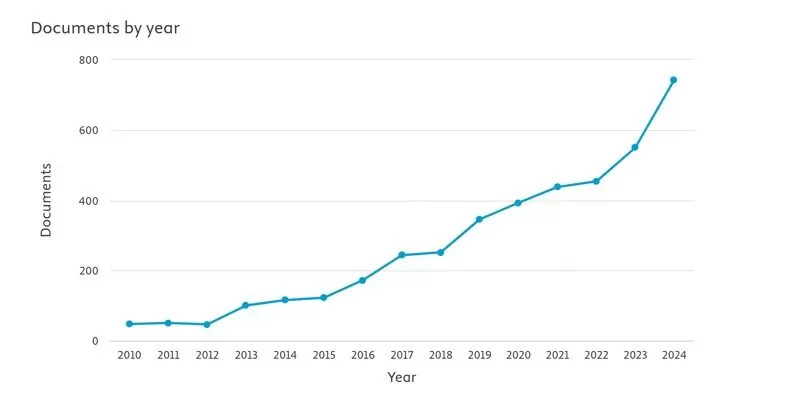
As illustrated in Figure 1, scholarly output on Islamic finance and entrepreneurship has surged exponentially in the last decade. From sparse publications in the early 2010s, the field saw a significant uptick around 2015, accelerating after 2018. Despite a minor dip in 2020, output reached hundreds of papers by 2023, with 2024 marking an all-time high. This growth reflects rising interest in Islamic FinTech, crowdfunding, and post-COVID recovery, establishing the topic as a distinct research field. The trend suggests a broadening academic community and recognition of Islamic finance’s role in fostering entrepreneurship and inclusive growth, aligning with broader Islamic finance literature (El-Gamal, 2006; Abedifar et al., 2015). The initial slow pace of publication in the early 2000s, characterized by only a handful of papers annually, clearly indicates the nascent stage of this interdisciplinary area. However, the period from 2015 onwards witnessed a remarkable acceleration, transforming the landscape of research in this domain. This exponential growth is not merely a quantitative increase but also signifies a qualitative shift, as the field matures and attracts a wider array of scholars and research institutions. The resilience shown in 2020, with only a slight dip, further underscores the robust and sustained interest in this area, quickly rebounding to achieve unprecedented publication levels in subsequent years. This trajectory points to a dynamic and evolving research front, where new ideas and applications are continually being explored, particularly concerning their potential to empower entrepreneurs.
Figure 1: Documents by year
Documents by year
Leading Contributors
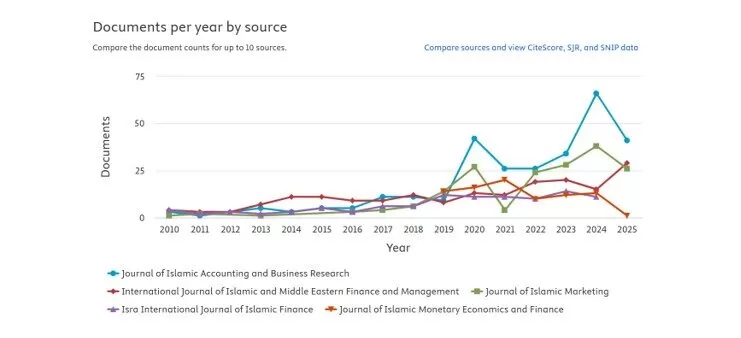
Figure 2 and Figure 3 highlight the leading journals and authors in the field. The Journal of Islamic Accounting and Business Research and the International Journal of Islamic and Middle Eastern Finance and Management are the top journals for publications in this field. These specialized journals have consistently provided a dedicated platform for scholarly discourse on Islamic finance and its various applications, including entrepreneurship. Their prominence underscores the importance of niche publications in fostering and disseminating knowledge within specific academic domains. Beyond these, a growing number of mainstream business and finance journals are also featuring research at this intersection, signaling a broader acceptance and integration of Islamic finance and entrepreneurship topics into the wider academic landscape. This cross-pollination of research across diverse publication venues is a healthy indicator of the field’s increasing relevance and interdisciplinary appeal for entrepreneurial studies.
Professor M. Kabir Hassan (University of New Orleans, USA) is the most prolific author, with a publication count nearly triple that of the next most prolific author. His consistent and extensive contributions have undeniably shaped the discourse in this area, establishing him as a central figure, particularly in understanding the economic implications of Islamic finance for business and entrepreneurship. Other key contributors include Azam Muneeza (a scholar active in Islamic fintech and law research, based in Malaysia and Maldives), Sukor Kassim, and Roszaini Haniffa, among others. These authors often serve as hubs in co-authorship networks, collaborating widely, which is crucial for knowledge dissemination and the development of robust research agendas that often touch upon entrepreneurial development. The presence of scholars with dual affiliations or international backgrounds further underscores a growing global collaboration, enriching the perspectives and methodologies applied in this field, especially concerning the diverse entrepreneurial ecosystems.
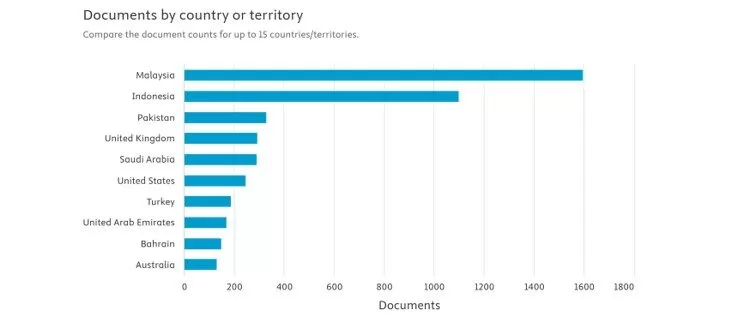
In terms of institutional affiliations, universities from Southeast Asia and the Middle East dominate the landscape. Malaysian institutions in particular stand out – Malaysia has become a research hub for Islamic finance. Universities such as International Islamic University Malaysia (IIUM), Universiti Sains Islam Malaysia (USIM), and INCEIF (International Centre for Education in Islamic Finance) host several active researchers and specialized programs, contributing a large volume of publications focused on both the theoretical and practical aspects of Islamic finance and its application to entrepreneurship. This concentration of research output in Malaysia reflects a strategic national focus on developing Islamic finance as a key economic sector, supported by robust academic infrastructure and policy initiatives aimed at fostering entrepreneurial growth. Indonesia is another major contributor; universities like Universitas Airlangga and Universitas Indonesia appear frequently, reflecting Indonesia’s interest in Islamic microfinance and fintech for its large Muslim population.
The emphasis on microfinance in Indonesia highlights the practical application of Islamic finance principles to address socio-economic challenges and promote financial inclusion at the grassroots level, directly benefiting micro-entrepreneurs. From the Middle East, institutions in the Gulf states (e.g. Qatar Foundation/University, King Abdulaziz University in Saudi Arabia, University of Bahrain) and in Turkey contribute significantly. These institutions are increasingly investing in research and education in Islamic finance, aiming to position themselves as regional and global leaders in the field, often with a growing focus on supporting entrepreneurial ecosystems. Some Western institutions also feature, often through individual scholars – for example, Durham University (UK) where notable Islamic finance scholars (like Mehmet Asutay) are based, and McGill University (Canada) through works on Islamic entrepreneurship ethics. Overall, the institutional spread confirms that research is locally concentrated but globally distributed: a few countries (Malaysia, Indonesia, Pakistan, GCC states, UK/US) account for the bulk of output, while other regions (Central Asia, most of Africa, Latin America) are underrepresented – a point we revisit when discussing gaps, particularly concerning entrepreneurial development in these regions.
This geographical distribution of research output suggests both established centers of excellence and emerging areas with significant potential for future growth and contribution to the understanding of Islamic entrepreneurship.
Figure 2: Documents per year by source
Documents per year by source
Figure 3. Documents by author
Documents by author
Figure 4: Documents by country or territory
Documents by country or territory
Thematic Analysis
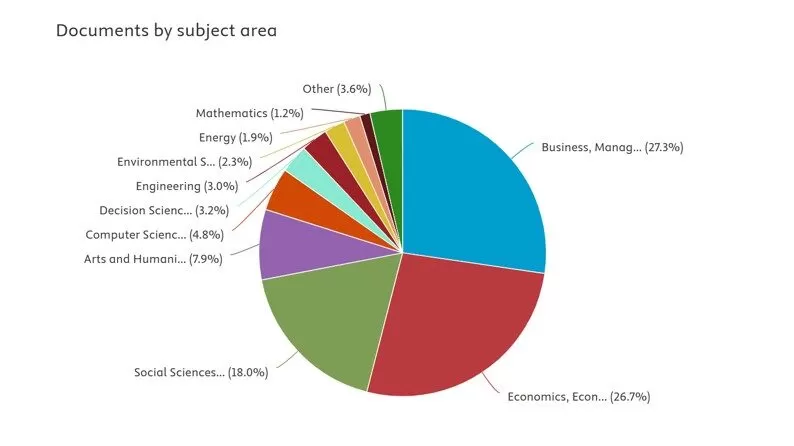
Figure 5 shows the distribution of documents by subject area. Business, Management and Accounting (27.3%) and Economics, Econometrics and Finance (26.7%) are the dominant subject areas, underscoring the interdisciplinary nature of the field, which draws heavily from both management and economic perspectives. This dual focus reflects the practical and theoretical dimensions of Islamic finance and entrepreneurship, encompassing both the operational aspects of businesses and the broader economic implications of Islamic financial practices. Keyword co-occurrence analysis reveals several thematic clusters, providing a granular view of the intellectual structure of the field. The largest cluster centers on “Islamic finance,” “entrepreneurship,” and “SMEs,” indicating a strong focus on small and medium-sized enterprises. This cluster also includes broad concepts such as “financial system,” “economic development,” and “financial inclusion,” suggesting a theme of using Islamic finance to broaden access to credit and entrepreneurial opportunities, especially in Muslim communities. This highlights the practical application of Islamic finance in fostering economic growth and empowering individuals and small businesses. A second significant cluster revolves around “Islamic microfinance,” “poverty alleviation,” and “women entrepreneurship,” highlighting the social impact of Islamic finance. This reflects a substantial body of research examining charitable or non-profit Islamic instruments (zakat – obligatory alms, waqf – endowments, qard hassan – interest-free loans) as tools to fund micro-entrepreneurs and alleviate poverty (Sadeq, 2002). This cluster emphasizes the ethical and social dimensions of Islamic finance, showcasing its potential to address societal challenges and promote equitable development through entrepreneurial initiatives. A third cluster focuses on “Islamic crowdfunding,” “FinTech,” and “startups,” reflecting the growing interest in technology-driven entrepreneurial finance. This cluster signals an emerging theme: modern technology-driven entrepreneurship (e.g., tech startups) and the intersection with Islamic finance principles. The rapid evolution of FinTech has opened new avenues for Islamic finance, enabling innovative solutions for funding and supporting entrepreneurial ventures. Other notable themes include “zakat,” “waqf,” and “social entrepreneurship,” which delve into the philanthropic and community-oriented aspects of Islamic finance, and “sukuk” and “venture capital,” which explore more sophisticated financial instruments and investment mechanisms within the Islamic framework, often with implications for larger-scale entrepreneurial projects. The breadth of keywords – from traditional concepts (zakat, mudarabah) to cutting-edge (blockchain, AI) – illustrates that the field, though young, is dynamically incorporating new developments while rooted in classical Islamic economic concepts, all with a view to supporting diverse forms of entrepreneurship. This dynamic interplay between tradition and innovation is a key characteristic of the research landscape in Islamic finance and entrepreneurship.
Figure 5: Documents by subject area
Documents by subject area
Co-authorship Network
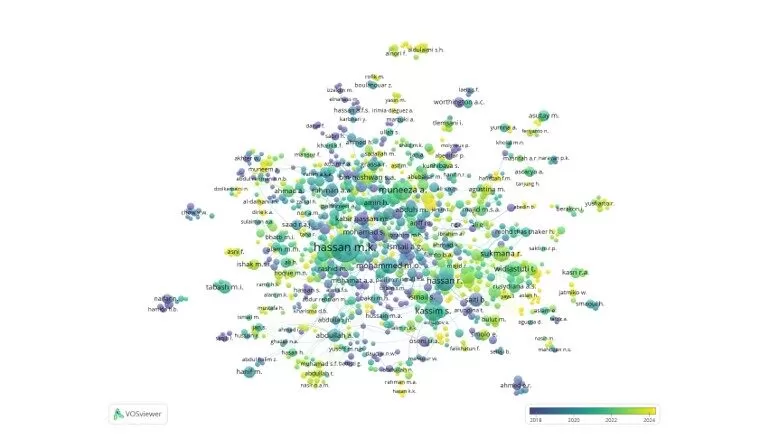
The co-authorship network, visualized in Figure 6, reveals a moderately connected community with several distinct clusters. The largest cluster is centered around Professor M. Kabir Hassan and his collaborators, indicating a strong collaborative hub around this influential scholar. This cluster, often referred to as the ‘Hassan School,’ demonstrates a consistent research agenda focused on the broader implications of Islamic finance, including its role in economic development and poverty alleviation, often with direct relevance to entrepreneurial ecosystems. Their work frequently explores the empirical performance of Islamic financial institutions and their contribution to financial stability, which indirectly supports a stable environment for entrepreneurs. The strength of this cluster highlights the impact of sustained collaboration and mentorship in shaping a significant portion of the field’s intellectual output, particularly concerning the economic underpinnings of Islamic entrepreneurship. The frequent co-authorship within this group suggests a shared methodological approach and a cumulative building of knowledge, where successive studies build upon previous findings to deepen understanding of how Islamic finance can foster entrepreneurial growth.
Other clusters are geographically concentrated, particularly in Malaysia and Indonesia, reflecting the regional strengths in Islamic finance research. For instance, the Malaysian cluster often focuses on regulatory frameworks, Shariah governance, and the development of Islamic capital markets, reflecting Malaysia’s pioneering role in establishing a comprehensive Islamic financial ecosystem that supports various forms of entrepreneurship. Indonesian researchers, on the other hand, tend to emphasize Islamic microfinance, waqf, and the social impact of Islamic finance, aligning with the country’s large Muslim population and its focus on inclusive development, directly benefiting micro-entrepreneurs and social enterprises. These regional clusters often exhibit strong internal collaboration, driven by shared national priorities, academic institutions, and cultural contexts. This localized collaboration fosters deep expertise in specific areas relevant to their respective regions, particularly in tailoring Islamic financial solutions for local entrepreneurial needs.
While there is evidence of international collaboration, the network structure suggests opportunities for greater cross-regional research partnerships. Many prolific contributors have dual affiliations or international backgrounds, underscoring a growing global collaboration. However, the collaboration is often locally concentrated, with researchers in Southeast Asia collaborating heavily among themselves and to some extent with those in the Middle East, creating strong regional clusters. Cross-regional collaborations (e.g., between Southeast Asia and Africa, or Africa and Western institutions) are less frequent. This could reflect funding and conference networks that are more developed in certain regions. Nevertheless, the presence of Western-based scholars actively collaborating with home-country institutions has helped globalize the network. This limited cross-regional collaboration represents a significant area for growth. Fostering more diverse international partnerships could lead to a richer exchange of ideas, methodologies, and empirical insights, addressing the unique challenges and opportunities present in different Islamic economies, especially concerning the diverse entrepreneurial landscapes. Initiatives such as joint research grants, international conferences, and visiting scholar programs could help bridge these geographical divides and promote a more integrated global research community focused on Islamic entrepreneurship.
In summary, the co-authorship analysis highlights key players and reveals an evolving collaborative fabric that, while centered on a few hubs, is expanding internationally. Such collaboration is important for knowledge exchange and elevating research quality, and our findings suggest positive momentum toward a more connected global community of Islamic finance & entrepreneurship scholars. The formation of these clusters indicates specialized areas of research and expertise, but also points to potential silos that could benefit from increased inter-cluster collaboration to foster more holistic and globally relevant research, particularly in supporting diverse entrepreneurial models. The dynamic nature of these networks underscores the field’s ongoing development, with new collaborations continually emerging and existing ones strengthening, contributing to a more robust and interconnected research landscape for Islamic entrepreneurship.
Figure 6: Co-authorship network (VOSviewer)
Co-authorship network
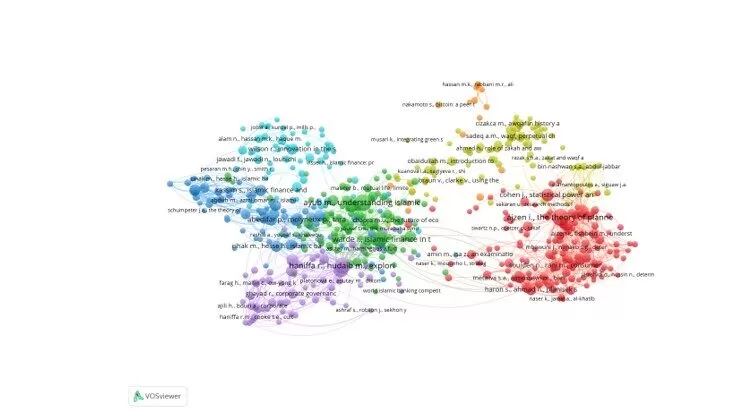
Figure 6. Co-Citation network (VOSviewer)
Intellectual Structure (Co-Citation Analysis)
To understand the intellectual foundations of Islamic finance and entrepreneurship research, we performed a co-citation analysis of references. This reveals which academic works are most commonly cited together by authors in our dataset, indicating influential theories or prior studies that underpin current research. Several clusters of seminal literature are apparent. One cluster contains classic works on behavioral theory and entrepreneurship, notably Ajzen’s (1991) “Theory of Planned Behavior”. This indicates many studies (especially on Islamic fintech or crowdfunding adoption) have drawn on TPB to model individuals’ intentions to use Islamic financial services or entrepreneurs’ intentions to engage with such services. Similarly, entries like Souiden & Rani (2015) on consumer attitudes, and M. Obaidullah (various) on Islamic entrepreneurship appear here. This cluster suggests that mainstream theories of behavior and consumer intention have been co-cited as authors examine how religious belief or Islamic values factor into entrepreneurial intentions or customer acceptance of Islamic finance products and services that support entrepreneurship. The presence of Ajzen’s work underscores the interdisciplinary borrowing – Islamic finance researchers often ground their surveys or models in general social science theories to understand entrepreneurial behavior. Also in this cluster are references on Islamic marketing and consumer behavior (for instance, works by Alam et al. on intention to adopt Islamic banking). In summary, this cluster is an intellectual base of behavioral and marketing theory that is being applied to Islamic entrepreneurship contexts, demonstrating the field’s engagement with established psychological and consumer behavior frameworks to understand entrepreneurial decision-making. This cluster’s prominence highlights the field’s effort to understand the human element in Islamic finance and entrepreneurship, moving beyond purely economic or legal analyses to incorporate psychological and sociological perspectives. The application of established behavioral theories provides a robust framework for analyzing decision-making processes, adoption rates, and the impact of cultural and religious values on financial behavior within Islamic contexts, particularly as it pertains to entrepreneurial ventures. This interdisciplinary approach enriches the research by offering a more nuanced understanding of the factors influencing the success and acceptance of Islamic financial products and entrepreneurial ventures.
Another cluster features foundational Islamic finance literature and some development economics, including works by Kassim, S. (2016) “Islamic finance and economic growth” and Abedifar et al. (2015). These are frequently cited together in papers discussing the macroeconomic impact of Islamic finance or its performance relative to conventional finance. This cluster forms the economic impact and banking performance knowledge base. It suggests that when authors write about Islamic finance enabling entrepreneurship or growth, they often cite these empirical works that tested Islamic banking’s effect on financial inclusion, stability, or GDP growth, all of which create a conducive environment for entrepreneurial activity.The ethical dimension is also represented through Haniffa & Hudaib’s (2007) study on social reporting by Islamic banks, which demonstrates a correlation between ethical principles and performance.
This cluster essentially anchors the argument that Islamic finance can contribute positively to development, a premise many entrepreneurship-focused papers build upon. The consistent citation of these works highlights their enduring relevance in shaping the theoretical and empirical understanding of Islamic finance’s broader economic contributions, including its role in fostering entrepreneurial ecosystems. This cluster underscores the field’s commitment to demonstrating the tangible benefits of Islamic finance beyond mere Shariah compliance, focusing on its capacity to foster sustainable economic development and financial stability, which are crucial for entrepreneurial success. The inclusion of works on social reporting further emphasizes the ethical dimension, indicating a strong interest in how Islamic financial institutions contribute to societal well-being and accountability, often through supporting social entrepreneurship.
A third cluster is centered on Islamic social finance and history, with works on waqf history (e.g., Cizakca, 2004) and the roles of zakat and awqaf (e.g., Sadeq, 2002; Ahmed, 2007). These works are co-cited in papers dealing with waqf and charitable funding of entrepreneurship. They provide historical and theoretical context on how endowments and Islamic charitable instruments functioned, which modern authors leverage when proposing revivals like cash waqf for microenterprise finance (Sadeq, 2002). The cluster indicates an intellectual debt to classical Islamic economic scholarship – researchers often cite these to legitimize contemporary proposals by showing that supporting entrepreneurs has roots in traditional Islamic practice (e.g., venture partnerships in early Islam, or waqf supporting livelihoods). This cluster is somewhat distinct, reflecting that a subset of literature relies on Islamic jurisprudence and economic history sources, demonstrating the deep historical and religious foundations of certain aspects of Islamic finance and entrepreneurship. The continued relevance of these historical and jurisprudential texts highlights the field’s grounding in its rich intellectual heritage, providing a strong theoretical basis for contemporary applications. This cluster also emphasizes the enduring importance of social justice and wealth redistribution within Islamic economic thought, demonstrating how traditional concepts can be adapted to address modern socio-economic challenges through entrepreneurial initiatives.
Finally, a cluster appears to include methodological references and general entrepreneurship, such as Cohen (1988) – Statistical Power Analysis and Sekaran (2003) – Research Methods. This indicates that a large number of studies share similar quantitative approaches (hence citing the same textbooks) – indicating an empirical Quantitative bent in the field. Overall, the co-citation network reveals a blend of foundations: general theories from psychology and entrepreneurship, core Islamic finance literature on banking performance and macro impact, Islamic social finance history and principles, and methodological guides. This combination underscores that research at this intersection is not developing in an intellectual vacuum; rather, it pulls in established knowledge from multiple relevant domains. For example, an author studying Islamic crowdfunding might cite Ajzen (for theory), cite Kassim (2016) or Abedifar (2015) to situate the study in Islamic finance debates, and cite Cizakca (2004) to connect to Islamic social principles – all together. The fact that such references cluster verifies that the interdisciplinary nature of Islamic finance & entrepreneurship is being handled by bridging literatures. It also highlights key works anyone entering this field should be familiar with: Ajzen’s TPB for behavioral aspects, the Journal of Economic Surveys piece by Abedifar et al. for an overview of Islamic finance issues (Abedifar et al., 2015), and classical writings on waqf/zakat by Cizakca, Kahf, etc., for social finance context. This rich tapestry of intellectual influences contributes to the robustness and depth of research in this evolving field.
The consistent reliance on these methodological texts suggests a commitment to rigorous empirical research, ensuring that findings are robust and generalizable. This methodological grounding is crucial for advancing the field and establishing its credibility within the broader academic community, particularly in understanding entrepreneurial phenomena. The interdisciplinary nature of these co-cited works further emphasizes the holistic approach taken by researchers in this domain, drawing insights from diverse fields to address complex issues at the intersection of finance, entrepreneurship, and Islamic principles.
Bibliographic Coupling and Research Streams
In addition to co-citation (which looks backward at common references), we examined bibliographic coupling (which looks forward at how current documents group by shared references) to identify contemporary research streams. The bibliographic coupling analysis of documents (2020s publications especially) revealed a few coherent clusters of papers: one cluster of studies focusing on Islamic fintech adoption (these papers cite similar references on technology acceptance and Islamic bank innovation, forming a stream), another cluster on SME financing and bank performance (papers analyzing data on SME loans, bank stability, etc., citing each other), and a cluster on social finance and SDGs (papers that talk about waqf, zakat, and their role in achieving Sustainable Development Goals).
Other emerging streams include research on the regulatory challenges and opportunities for Islamic finance in supporting entrepreneurship, the role of Islamic social enterprises, and the impact of global events (like the COVID-19 pandemic) on Islamic entrepreneurial ecosystems. This analysis confirms that the field is not only growing in volume but also diversifying into distinct, yet interconnected, research areas, all contributing to a deeper understanding of Islamic entrepreneurship. The emergence of these distinct research streams signifies a growing maturity within the field, as scholars delve deeper into specific aspects and develop specialized bodies of knowledge. This diversification is crucial for addressing the multifaceted challenges and opportunities presented by the intersection of Islamic finance and entrepreneurship, fostering innovation and practical solutions. The focus on Islamic fintech adoption reflects the rapid technological advancements transforming the financial landscape, with researchers exploring how Islamic principles can be integrated into digital financial services to support entrepreneurial ventures. The cluster on SME financing and bank performance highlights the ongoing importance of traditional financial intermediation in supporting small and medium-sized enterprises, which are often the backbone of many economies.
The emphasis on social finance and SDGs underscores the field’s commitment to addressing broader societal challenges and contributing to sustainable development goals through ethical and Shariah-compliant financial mechanisms, often through entrepreneurial initiatives. These emerging research streams demonstrate the dynamic and adaptive nature of the field, continually evolving to address contemporary issues and leverage new opportunities for entrepreneurs.
Discussion and Implications
Our findings highlight the rapid growth and increasing specialization of research at the intersection of Islamic finance and entrepreneurship. The thematic analysis reveals a shift from broad conceptual discussions to more focused empirical studies on specific instruments and contexts. This evolution signifies a maturing field that is moving beyond foundational concepts to address practical applications and real-world challenges faced by entrepreneurs. The dominance of Southeast Asian institutions suggests a need for greater research from other regions, particularly the Middle East and Africa, where Islamic finance is also prominent and entrepreneurial ecosystems are rapidly developing. Expanding research efforts in these regions would provide a more comprehensive global perspective and address unique regional contexts and challenges related to Islamic entrepreneurship.
The strong focus on SMEs and microfinance underscores the perceived potential of Islamic finance to promote inclusive growth and empower entrepreneurs. This emphasis reflects the critical role that small and medium-sized enterprises play in economic development and job creation, particularly in developing economies. Islamic finance, with its ethical and social dimensions, is well-positioned to support these vital entrepreneurial sectors. However, the relative lack of research on other instruments, such as sukuk and Islamic venture capital, suggests that their entrepreneurial applications are underexplored. This represents a significant opportunity for future research to investigate how these more complex financial instruments can be leveraged to support larger-scale entrepreneurial ventures and innovation within the Islamic framework. The emergence of the FinTech and crowdfunding cluster points to a promising area for future research, as technology continues to reshape the financial landscape. This convergence of Islamic finance and technology offers innovative solutions for funding and supporting entrepreneurs, and further research in this area is crucial to unlock its full potential for fostering new ventures.
From a practical perspective, our findings can inform policymakers and practitioners on the current state of knowledge and potential areas for intervention to support Islamic entrepreneurship. The research on Islamic microfinance and women entrepreneurship, for example, can guide the design of more effective social finance programs that empower marginalized communities and promote gender equality through entrepreneurial initiatives. The work on crowdfunding and FinTech can help regulators develop supportive ecosystems for innovative startups, fostering a conducive environment for entrepreneurial growth within the Islamic finance framework. Furthermore, understanding the collaborative networks and intellectual foundations can facilitate targeted research funding and the development of interdisciplinary research teams, accelerating knowledge creation and dissemination that directly benefits the entrepreneurial ecosystem.
Challenges and Opportunities
While the field of Islamic finance and entrepreneurship is rapidly evolving, several challenges and opportunities warrant further attention. One significant challenge lies in the standardization and harmonization of Shariah interpretations across different jurisdictions. Variations in legal and religious interpretations can create complexities for entrepreneurs seeking Shariah-compliant financing, limiting cross-border transactions and the scalability of Islamic financial products. Addressing this challenge requires collaborative efforts among Shariah scholars, regulators, and industry practitioners to develop universally accepted guidelines and frameworks. This would not only streamline operations but also enhance investor confidence and facilitate the growth of Islamic entrepreneurial ecosystems globally.
Another challenge is the limited awareness and understanding of Islamic finance products among conventional entrepreneurs and investors. Many potential beneficiaries may not be familiar with the unique features and benefits of Islamic financial instruments, leading to underutilization. This gap highlights an opportunity for targeted education and outreach programs. These initiatives could demystify Islamic finance, showcase successful case studies of Islamic finance-backed ventures, and demonstrate how these instruments can align with broader ethical and sustainable business practices. Such efforts could significantly broaden the appeal and adoption of Islamic finance among entrepreneurs beyond its traditional demographic.
Furthermore, the research indicates a disparity in geographical research output, with Southeast Asia dominating the landscape. This presents an opportunity to foster research and development in underrepresented regions, particularly in the Middle East, Africa, and Central Asia, where there is substantial potential for Islamic finance to support entrepreneurship. Encouraging local research initiatives, providing funding for regional studies, and facilitating international collaborations can help build research capacity and generate context-specific insights. This would lead to a more balanced and globally representative body of knowledge, addressing the unique entrepreneurial challenges and opportunities in diverse Islamic economies.
From a methodological standpoint, there is an opportunity for greater diversity in research approaches. While bibliometric analysis provides a valuable macro-level understanding, more qualitative and mixed-methods studies are needed to delve deeper into the nuances of Islamic entrepreneurial experiences. Case studies, ethnographic research, and action research could provide rich insights into the practical challenges faced by entrepreneurs, the effectiveness of specific Islamic financial interventions, and the socio-cultural factors influencing entrepreneurial success within Islamic contexts. This would complement the quantitative findings and offer a more holistic understanding of the field.
Finally, the emergence of new technologies like blockchain and artificial intelligence presents both challenges and immense opportunities for Islamic finance and entrepreneurship. While these technologies offer innovative solutions for transparency, efficiency, and accessibility in financial transactions, their integration into Shariah-compliant frameworks requires careful consideration and scholarly deliberation. Research into “Islamic FinTech 2.0” could explore how these advanced technologies can be harnessed to develop new Islamic financial products, enhance risk management, and create more inclusive and efficient entrepreneurial ecosystems. This includes exploring the potential of smart contracts for Islamic venture capital, AI-driven Shariah compliance checks, and blockchain-based platforms for zakat and waqf management. Embracing these technological advancements while adhering to ethical principles will be crucial for the future growth and relevance of Islamic finance in supporting entrepreneurship.
Contribution of the Current Study: A Pioneering Bibliometric Mapping
Our study unequivocally distinguishes itself by providing the first dedicated and in-depth bibliometric analysis of the Islamic finance and entrepreneurship nexus. Unlike previous reviews that offer qualitative summaries or focus on broader, less specific themes, our research employs robust quantitative bibliometric methods to systematically map the field’s intellectual landscape. This rigorous approach empowers us to:
Quantify Growth and Trends: We provide empirical and quantifiable evidence of publication trends, meticulously identifying periods of significant growth, shifts in research focus, and the overall trajectory of scholarly output in this nascent field.
Identify Key Players: Our analysis systematically pinpoints the most influential authors, institutions, and leading journals that are actively shaping the discourse. This offers invaluable insights into the field’s core intellectual community, highlighting centers of excellence and key opinion leaders.
Uncover Thematic Clusters: Through sophisticated keyword co-occurrence and co-citation analysis, we reveal the dominant and emerging research themes. This provides a granular and nuanced understanding of the field’s intellectual structure, allowing us to identify both well-trodden paths and nascent research frontiers.
Highlight Interdisciplinary Connections: We explicitly examine and delineate how various Islamic financial instruments are applied in diverse entrepreneurial contexts, thereby effectively bridging the conceptual and practical gap between traditional finance and entrepreneurship studies.
Identify Research Gaps: Our systematic approach allows us to expose underexplored areas, both thematic and geographical, within the existing literature. This, in turn, offers a clear, actionable roadmap for future research endeavors and strategic interventions by policymakers and practitioners.
By directly addressing the specific and critical lack of a dedicated bibliometric mapping at this precise intersection, our study offers a unique, timely, and highly relevant contribution to the existing body of knowledge. It is designed to serve as a foundational reference for scholars, practitioners, and policymakers alike, enabling a more informed, strategic, and evidence-based approach to research and development in this vital and rapidly evolving domain. This comprehensive overview will undoubtedly facilitate the identification of novel research questions, foster crucial interdisciplinary collaborations, and ultimately contribute to harnessing the full potential of Islamic finance for ethical, inclusive, and sustainable entrepreneurial development on a global scale.
Conclusion
This bibliometric analysis provides a comprehensive overview of the research landscape at the intersection of Islamic finance and entrepreneurship. Our findings reveal a rapidly growing and increasingly diverse field, with significant contributions from a core group of scholars and institutions. The thematic analysis highlights the key research areas and emerging trends, while the network analysis sheds light on the collaborative dynamics within the field.
Despite the significant progress, there are still many opportunities for future research. We recommend more comparative studies across different regions and regulatory environments, as well as more in-depth case studies of successful Islamic entrepreneurial ventures. Such studies would provide valuable insights into the contextual factors that influence the success of Islamic finance-backed entrepreneurship and identify best practices that can be replicated globally. Further research is also needed on the role of Islamic finance in supporting high-growth entrepreneurship and innovation, particularly in emerging sectors and technologies. Exploring the potential of Islamic finance to foster disruptive innovation and scale up entrepreneurial ventures would be a crucial area of inquiry.
By mapping the existing research, this study provides a valuable resource for scholars, policymakers, and practitioners interested in harnessing the potential of Islamic finance to foster entrepreneurship and sustainable development. We hope that our findings will inspire further research and collaboration in this important and exciting field, ultimately contributing to a more inclusive and ethically grounded global economy.
Acknowledgment
Authors declare that the final language proofreading of this article was supported by generative AI tools.
References
Abedifar, P., Ebrahim, M. S. & Molyneux, P. (2015) Islamic banking: Conventionalisation, autonomy, and efficiency. Journal of Economic Surveys, 29(5), pp. 891–909.
Ajzen, I. (1991) The theory of planned behavior. Organizational Behavior and Human Decision Processes, 50(2), pp. 179–211.
Aria, M. & Cuccurullo, C. (2017) Bibliometrix: An R-tool for comprehensive science mapping analysis. Journal of Informetrics, 11(4), pp. 959–975.
Chapra, M. U. (2008) The Islamic vision of development in the light of Maqasid al-Shariah. Islamic Research and Training Institute (IRTI).
El-Gamal, M. A. (2006) Islamic finance: Law, economics, and practice. Cambridge University Press.
Hassan, M. K. & Aliyu, S. (2018) A review of Islamic banking and finance literature. Journal of Islamic Economics, Banking and Finance, 14(2), pp. 1–24.
Sadeq, A. H. M. (2002) Waqf, perpetual charity and poverty alleviation. International Journal of Social Economics, 29(1/2), pp. 135–151.
Sairally, S. (2017) Sukuk: A review of the literature. Journal of Islamic Accounting and Business Research, 8(2), pp. 142–160.
Shane, S. (2003) A General Theory of Entrepreneurship: The Individual-Opportunity Nexus. Edward Elgar Publishing.
Van Eck, N. J. & Waltman, L. (2010) Software survey: VOSviewer, a computer program for bibliometric mapping. Scientometrics, 84(2), pp. 523–538.
Zupic, I. & Čater, A. (2015) Bibliometric methods in management and organization. Organizational Research Methods, 18(3), pp. 429–472.