Volume 2025,
Article ID 225059,
Journal of Internet Social Networking and Virtual Communities,
19 pages,
DOI: https://doi.org/10.5171/2025.225059
Received date: 18 March 2025; Accepted date: 30 June 2025; Published date: 1 August 2025
Academic Editor: Iwona Lupa-Wójcik
Cite this Article as:
Evelina KRISTANOVA and Adrian IZBICKI (2025), “ Social Media and the 2020 Presidential Election in Poland: Survey Research", Journal of Marketing Research and Case Studies, Vol. 2025 (2025), Article ID 225059, DOI: https://doi.org/10.5171/2025.225059
This study investigates the role of social media during the 2020 presidential election in Poland, held amidst the COVID-19 pandemic. The primary motivation behind the research was to explore the relationship between voters’ social media activity and their electoral preferences, as well as to identify which types of political content were perceived as most engaging by users. The study addresses a gap in the literature concerning the impact of digital campaigning strategies on voter behavior in crisis conditions. To achieve this, an online survey was conducted among 510 social media users residing in Poland. The central hypothesis was that the social media activities of presidential candidates constituted a crucial component of their electoral campaigns. Methodologically, the study combined media content analysis, statistical analysis, and comparative analysis to evaluate the data. The findings confirm that candidates’ presence and promotional efforts on social platforms significantly influenced voter engagement and preference, underlining the growing importance of social media in modern political communication.
Keywords: social media, 2020 presidential election in Poland, voting preference, COVID-19
Introduction
The relationships between the media and politics have been addressed from a number of perspectives in the literature (Gainous, Wagner 2014; Dobek-Ostrowska 2018; Dobek-Ostrowska, Głowacki 2015; Kręglewski, Turek 2019; Author 2023, Author et al. 2024). The study presented herein adds to the existing knowledge on the 2020 presidential election in Poland (Cześnik et al. 2020). An election that was held in exceptional circumstances, i.e., during the COVID-19 pandemic. The study aims to determine the political involvement of social media users; to learn their opinions on the presidential elections and to establish how the respondents assessed the impact of social media on the final outcome of the elections. This research subject was selected as the authors feel there is a dearth of studies in this subject matter (Grotowska, 2023; Adamik-Szysiak, 202; Leśniczak, 2023).
The study was empirical and posed the following major research questions:
1) What social media activity of politicians did the respondents rate most appealing?
2) What patterns of behaviour did social media users exhibit preceding the first and second round of voting of the election campaign?
3) How did publicity activities on selected social media impact the voting decisions of respondents for the 2020 presidential election?
The detailed questions were as follows:
1) Did the social media activities of politicians, or the online behaviour of friends, increase voter turnout?
2) Should politicians participate in online events like Hot16Challenge2?
3) Is it possible today to win elections without using social media?
Methodology
The survey, which only involved adult social media users residing in Poland (Bauman, Plich, 2001, p. 85) employed the CAWI (Computer Assisted Web Interview) technique and the Google Forms software, which allows the respondent to answer the questionnaire on any device. For two weeks after the presidential election (27/07/2020 – 9/08/2020), an online questionnaire called The Impact of Social Media on Your Vote in the 2020 Presidential Election was made available online, i.e., on numerous forums, all major support groups for each presidential candidate, and selected private accounts. It consisted of forty questions of a closed-ended, open-ended and semi-open nature, divided into seven topic-related sections. The first four questions concerned age, gender, place of residence and education, while the next four focused on what social media the respondent used, how often and for what purposes, and the number of friends they had on Facebook. Questions nine to thirteen (section: Your Social Media and Politics) were to determine whether respondents followed any websites or accounts of political parties and/or politicians, and whether they shared and/or expressed political views through their own social media accounts.
The following questions pertained to the activities of politicians on social media and the respondents’ opinion of whether the election campaign should be waged on social media. The section called The 2020 Presidential Election contained ten detailed questions to determine whether the respondent followed and/or was active on any social media accounts of the presidential candidates. Respondents were also asked if activities conducted by politicians on social media had affected their voting in the first round of the election, and which candidate’s promotional content they found most appealing. Questions twenty-nine to thirty-three concerned their support for a given candidate and any change of preferences in the second round of the election. The final seven questions addressed the respondents’ engagement with the two rounds of elections and their thoughts on the impact of social media on voter turnout. Respondents were also asked whether campaigns should be organised online and how satisfied they were with the election results in general.
The following research hypothesis was formulated: pre-election promotion of presidential candidates on social media was a vital constituent of the 2020 presidential campaign in Poland. Three research methods were employed to analyse the results of the survey: media content analysis, statistical analysis and comparative analysis.
Analysis of Research Findings
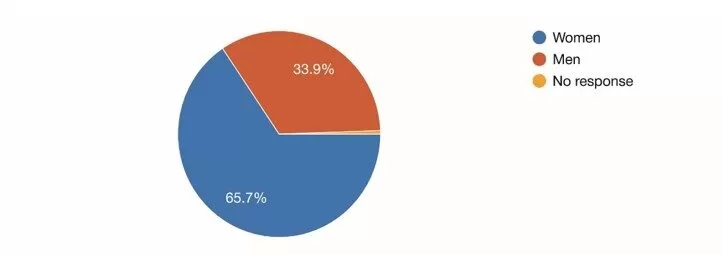
The survey comprised 510 adult social media users residing in Poland, among whom the youngest was eighteen and the oldest seventy-two years old. Female respondents strongly outnumbered male respondents, with 335 women and only 173 men, where two respondents refused to reveal their gender [Figure 1]. Almost all respondents declared that they had a Facebook account (ninety-nine percent). The analysis of the responses below reflects the structure adopted in the questionnaire.
Figure 1. Gender in the cohort surveyed
Source: Authors’ own study
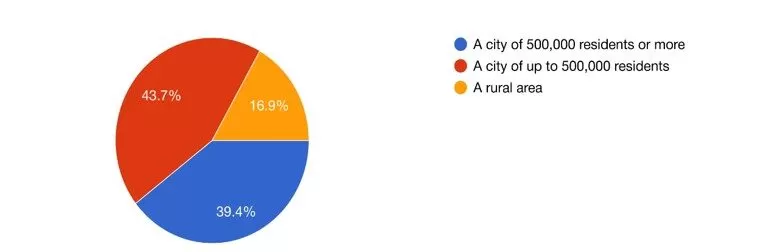
The vast majority of respondents resided in urban areas (over eighty percent), with only 16.9 percent living in rural areas [Figure 2]. Thus, one must conclude that social media users in rural areas were quite reluctant to express their political views, despite the ever-decreasing technological exclusion. Urban respondents were considerably more active and engaged in civic affairs, as evidenced by the percentages shown below.
Figure 2. Respondents’ place of residence
Source: Authors’ own study
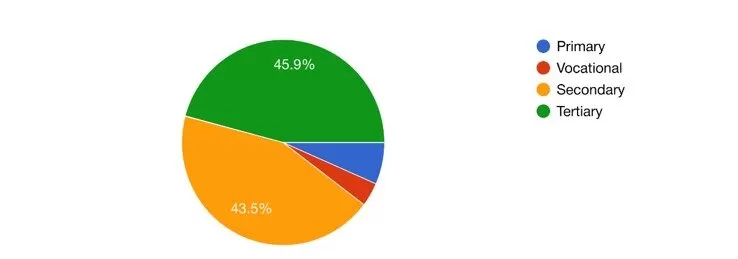
Respondents were mostly college/university or high-school graduates (89.4 percent), although 6.7 percent had only a primary education and 3.9 percent a vocational training [Figure 3], which reflected a direct correlation shown by multiple editions of the National Census, which reveal that there is a substantial disparity between the number of highly educated residents in urban and rural areas. Namely, over forty percent of the population in cities have a tertiary education, while in rural areas this figure is still below twenty percent. However, this gap is narrowing every year on account of the increasing education aspirations of the younger generation.
Figure 3. Respondents’ level of education
Source: Authors’ own study
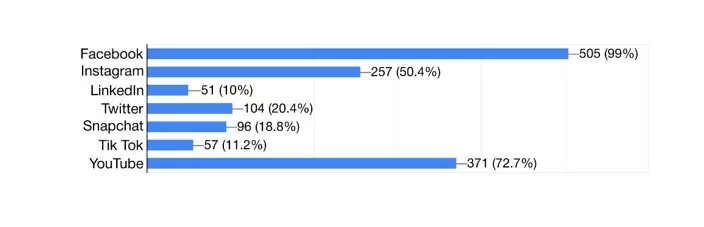
Analysis of the survey results reveals that the single most popular social media service was Facebook (ninety-nine percent), followed by YouTube (72.7 percent) and Instagram (50.4 percent) [Figure 4], which outranked, inter alia, the business-oriented LinkedIn or TikTok, which is popular among young people.
Figure 4. Popularity of social networking sites among respondents
Source: Authors’ own study
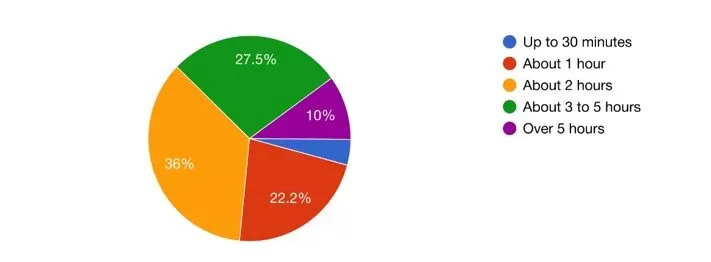
As the use of social media has become a daily habit, and the desire to “stay informed” often causes the FOMO effect (fear of missing out), respondents were also asked about the amount of time they spent online. In general, the results confirmed the behavioural patterns previously observed among Internet users. Only twenty-two participants (4.3 percent) stated that they used social media for less than thirty minutes a day, while the vast majority declared that they spent far more time online, i.e., two hours (thirty-six percent), three to five hours (27.5 percent), and over five hours (ten percent) [Figure 5].
Figure 5. Time spent daily on social media by respondents
Source: Authors’ own study
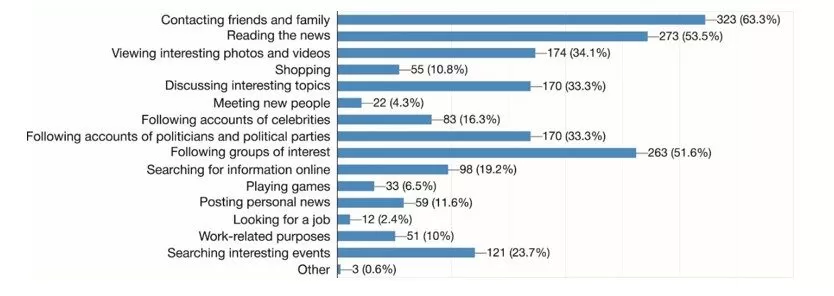
These results show that respondents spend a substantial amount of time on social media. Over fifty percent allocate more than a fifth of their free time during the day to this purpose [Figure 6], most often to contact friends and family, read the news, or follow interest groups.
Figure 6. What do you mostly use social media for?
Source: Authors’ own study
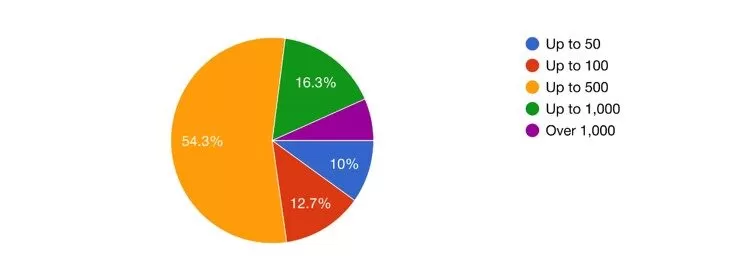
The final aspect concerned the number of friends on Facebook. Over half of respondents (54.3 percent) indicated that their circle of online friends totalled up to 500 people, and twenty-three percent declared up to 1,000 or more [Figure 7]. These numbers may indicate how popular the respondents were online. At this point, however, Dunbar’s number must be quoted – a concept applied in the field of anthropology to denote the maximum number of people with whom an individual is capable of maintaining regular and meaningful contact. According to its creator, the British scientist Robin Dunbar, this number is 150 people (Dunbar 2019, p. 50).
Figure 7. Number of friends that respondents have on Facebook
Source: Authors’ own study
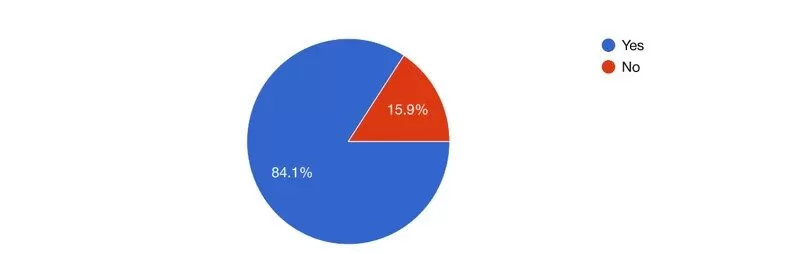
Among the most common activities that respondents undertook on social media was following groups and communities of interest (including politics), with 84.1 percent declaring that they were a member of a newsgroup for people with the same political views [Figure 8].
Figure 8. Are you part of a newsgroup with the same political views as yours?
Source: Authors’ own study
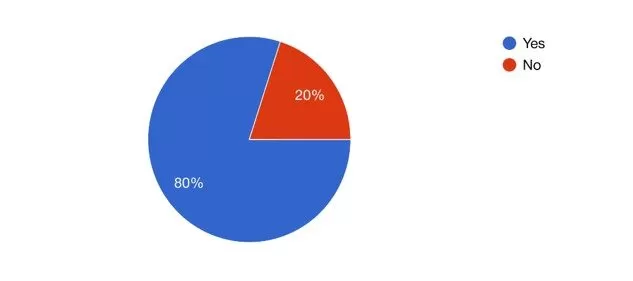
The social media profiles of Polish politicians were among those most frequently visited, often outnumbering celebrities in numbers of followers. When this study was being conducted, the Facebook pages of Andrzej Duda, Rafał Trzaskowski and Szymon Hołownia were liked by 758,000; 537,000 and 634,000 users respectively. Eighty percent of the respondents declared that they followed the profile of their favourite politician [Figure 9].
Figure 9. Do you follow the profile of your favourite politician?
Source: Authors’ own study
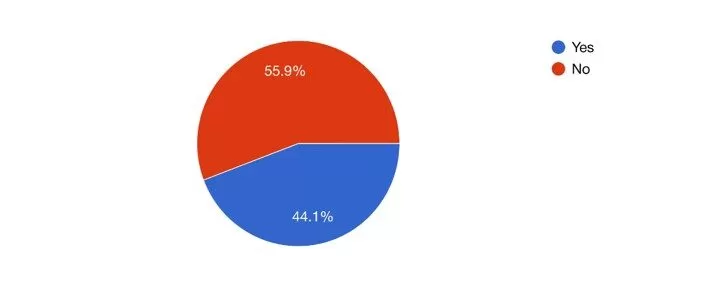
Interestingly, 44.1 percent also followed profiles of politicians with different political views [Figure 10].
Figure 10. Do you follow profiles or websites of political parties or politicians representing political views different to yours?
Source: Authors’ own study
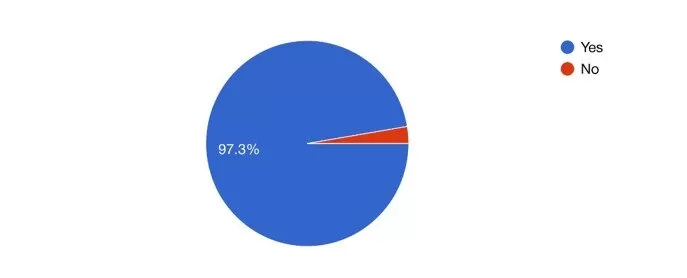
Social media are among the fastest tools for obtaining the latest national, regional and local news. Thus, politicians should consider posting regular updates about their activities as necessary since this reduces the communication gap between a given politician and his voters. Almost all respondents (97.3 percent) stated that politicians should be present on social media [Figure 11], which confirms that maintaining a personal online profile has become a necessity for political figures.
Figure 11. Should politicians be present on social media?
Source: Authors’ own study
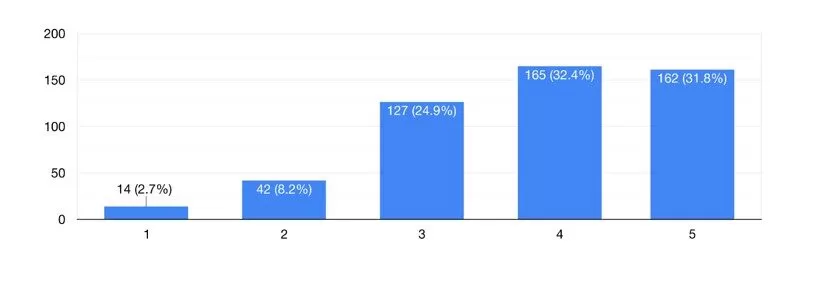
When respondents were asked to rate the importance of having an online presence on a scale from one to five (where one = not important and five = extremely important), over half of them (64.2 percent) chose either four or five [Figure 12].
Figure 12. How important is the presence of politicians on social media to you?
Source: Authors’ own study
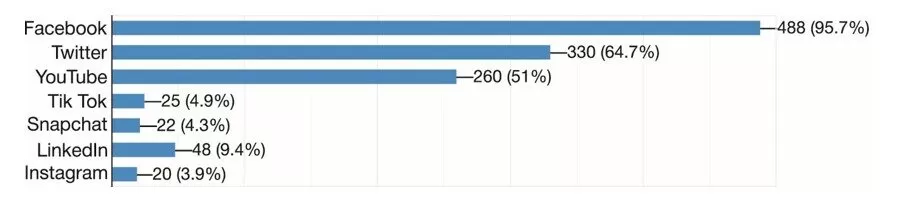
Respondents were also asked to specify on which social media they would most like to see politicians active. The vast majority selected Facebook (95.7 percent), followed by Twitter (64.7 percent) and YouTube (fifty-one percent). Here, the question arises as to why Twitter, which is dominated by political content, ranked second even though the survey did not target such groups as journalists and columnists only. The explanation is provided by eye-tracking studies, which show that an average smartphone user looks at a Facebook wall for approximately one minute and thirty-nine seconds[1] (Makuch, 2011). In this short time, they wish to access all types of information from one source, i.e., they are generally reluctant to switch between different services to see either posts from a friend’s holiday or news from parliament. In other words, they want to have it all in one place.
Figure 13. Which social media should politicians use?
Source: Authors’ own study
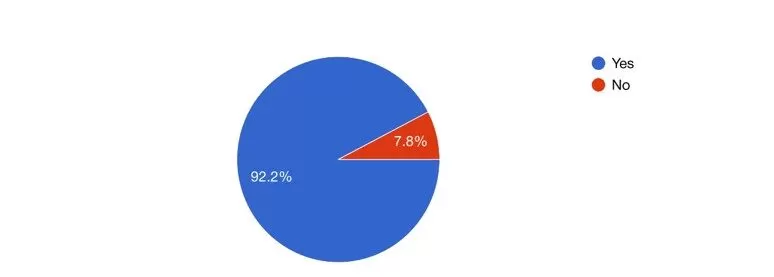
Respondents were also asked whether political campaigns should be conducted on social media. 92.2 percent declared that they cannot imagine an election campaign without Facebook or other sites [Figure 14], which proves that no politician can ignore social media these days.
Figure 14. Should the election campaign also take place on social media?
Source: Authors’ own study
Survey results for the first round of the 2020 presidential election in Poland
The study of the first round of the 2020 presidential election was conducted as follows. Respondents were asked about the candidate who had the most compelling campaign on social media; how each candidate’s actions affected their response to them and whether respondents actively supported their candidates online or shared negative content about opposing presidential candidates.
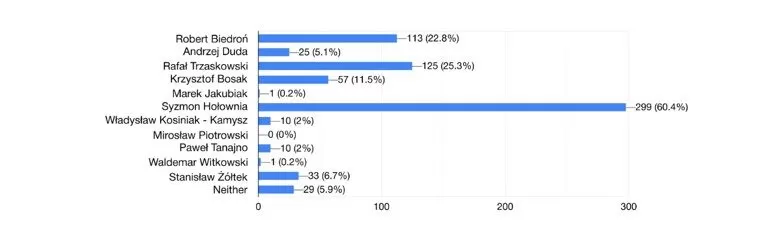
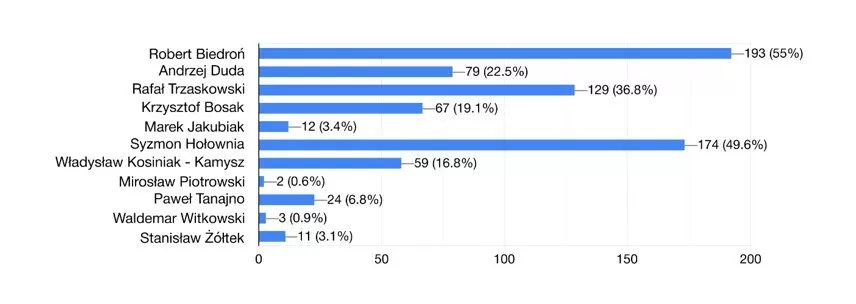
The results of the key question Did social media impact your final vote in the first round of the election? revealed that Szymon Hołownia headed the popularity of the online campaigns and the involvement of social media users, with sixty percent of respondents finding his campaign most appealing. He was followed by Rafał Trzaskowski (25.3 percent) and Robert Biedroń (22.8 percent) [Figure 15]. Surprisingly, respondents felt that Andrzej Duda (who eventually won the election) did not have a compelling campaign on social media (only 5.1 percent considered it most engaging).
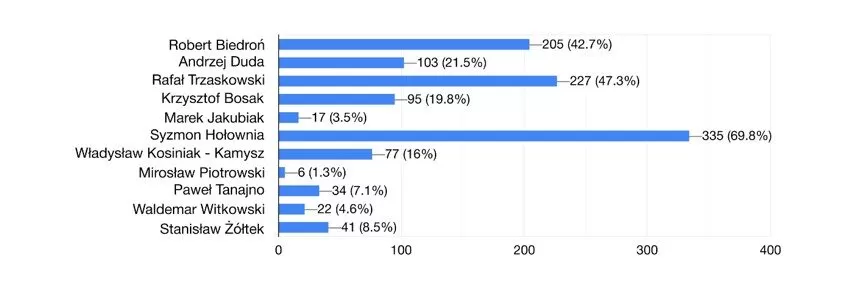
Hołownia’s well-organised and consistent online presence translated into the largest rise in followers during the presidential campaign. Almost half of the respondents (49.5 percent) stated that they only started following his account during the electoral campaign. In this regard, he was followed by Rafał Trzaskowski with a thirty percent increase and Krzysztof Bosak (nine percent) [Figures 16, 17, and 18].
Among the most frequently praised aspects of Hołownia’s efforts were his sincerity, commitment and simplicity of expression. Respondents also appreciated the possibility to ask him questions directly during the daily live shows and his genuinely innovative approach to politics. Trzaskowski was mostly complimented for his substantiality, charisma and “charming smile”. Respondents also noted the involvement of his wife, who at times gained even more respect than him. Respondents also commented on the appropriate selection of photographs during his campaign. As for Biedroń, many respondents appreciated how well he managed his Instagram account, where he mostly posted photos taken at meetings with voters.
Figure 15. The social media presence of which candidate did you find most interesting?[2]
Source: Authors’ own study
Figure 16. Which candidate did you follow online in the first round of the presidential election?
Source: Authors’ own study
Figure 17. Did you follow these candidates online prior to the electoral campaign?
Source: Authors’ own study
Figure 18. If you followed any candidates, please specify which ones?
Source: Authors’ own study
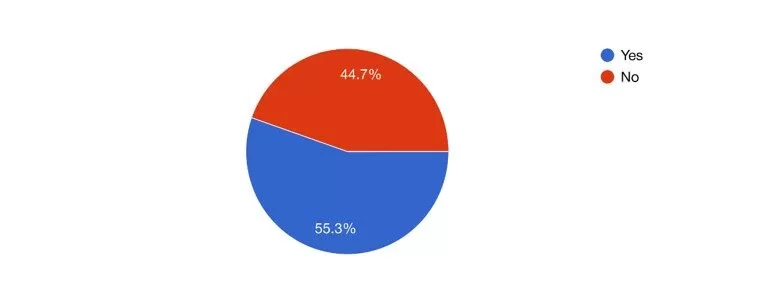
When the total number of friends that respondents had online was aggregated, it amounted to 200-250 thousand people, which enabled effective organic marketing of candidates if the respondents or their friends posted comments or links. Political campaign staff developed catchy slogans and attractive postings to facilitate this. Profile picture overlays and election posters placed as background images also engendered popularity, thus increasing a given candidate’s presence online and reinforcing a sense of affiliation with a given social group. Over half of respondents (55.3 percent) declared that they actively supported their candidate online [Figure 19].
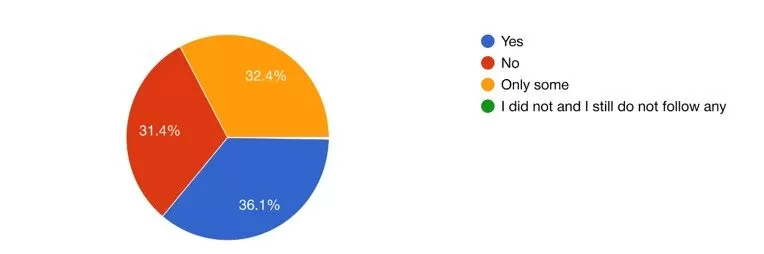
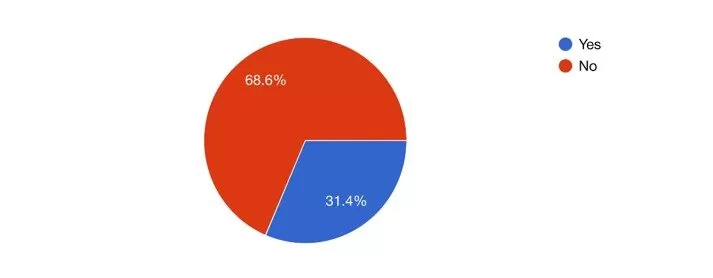
Creating negative, derogatory content on other candidates was also among the (ethically dubious) methods of gaining political advantage organically. It was not uncommon even for candidates themselves to stoop to denigrating their opponents online. When respondents were asked if they published such negative posts on their social networking accounts, the vast majority (68.6 percent) denied it, but some (31.4 percent) did indulge in this type of campaigning [Figure 20].
Figure 19. Did you use your personal account to actively support your candidate?
Source: Authors’ own study
Figure 20. Did you share negative content about a candidate you did not support?
Source: Authors’ own study
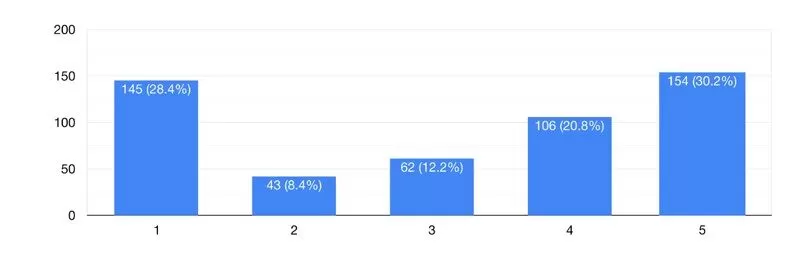
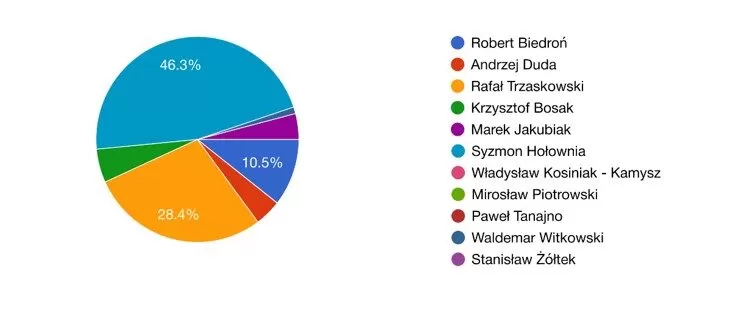
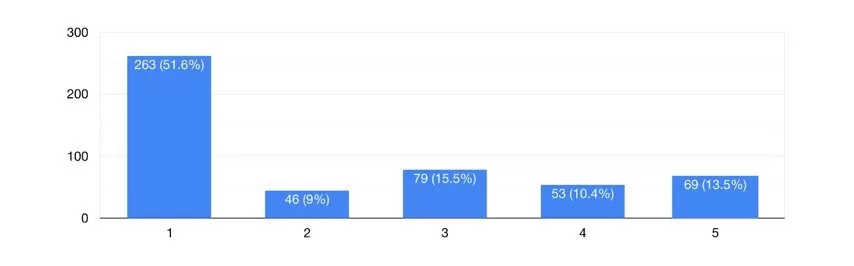
The run-up to the first round of elections was a critical period, as this was when voters gained a greater awareness about all candidates from the manifestos, postulates, political spot ads and photographs taken at election rallies that they posted on social media. During this critical time, candidates employed all media to maintain constant interaction with the public. Fifty-eight percent of respondents (excluding the undecided) stated that social media had affected their voting decision [Figure 21], and almost twenty percent declared that they contributed to changing their mind about which candidate to support. Hołownia and Trzaskowski gained the greatest electoral advantage, attracting 46.3 percent and 28.4 percent respectively of those voters who decided to change their choice of candidate [Figures 22 and 23]. Although significant, these figures were still insufficient to impact the final outcome of the election. However, the continuous increase in the importance of the role played by social media may produce greater changes in election results in the future.
Figure 21. Did activities of politicians on social media affect your vote in the first round of the presidential election?
(where one = not at all and five = considerably).
Source: Authors’ own study
Figure 22. Did you change the candidate you supported during the first round of the election?
Source: Authors’ own study
Figure 23. If so, to which one?
Source: Authors’ own study
Survey results for the second round of the presidential election
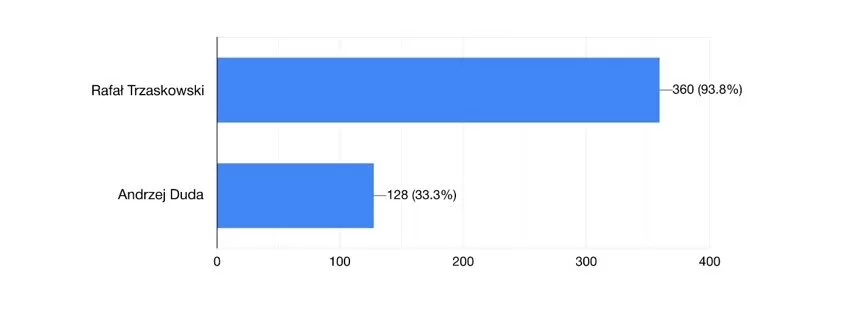
The second round of the presidential election was fought out by Andrzej Duda (with 43.5 percent support) and Rafał Trzaskowski (30.46 percent), while the other candidates – including Szymon Hołownia, who gained most popularity and attention on social media during the first round – were eliminated. Respondents were asked which of the two remining candidates attracted their attention; who they regularly followed; and whether they also followed the same candidate online as during the first round. The vast majority followed Trzaskowski [Figure 24], who in the second round also gained more new followers (an increase of twenty-seven percent) among first-round followers, when compared to Duda (an increase of six percent) [Figure 25].
Figure 24. Which candidate did you follow online in the second round of the presidential election?
Source: Authors’ own study
Figure 25. Did you also follow this candidate online during the first round of the election?
Source: Authors’ own study
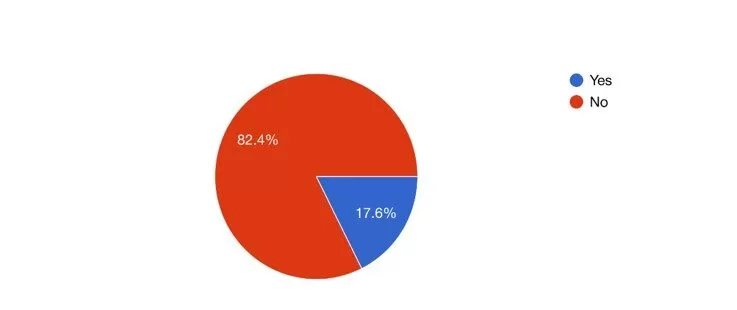
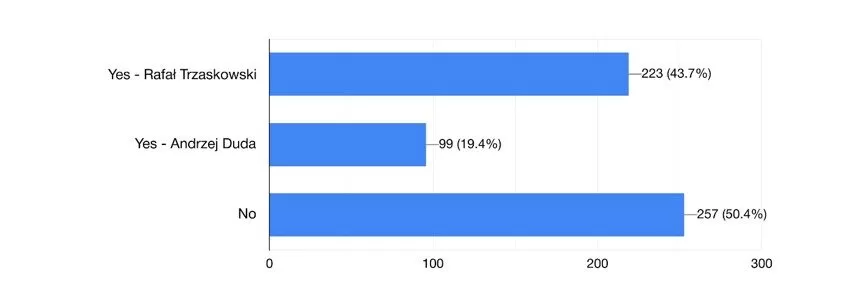
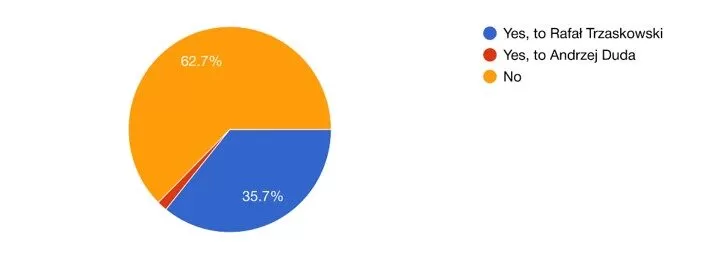
In the next section of the survey, respondents were asked if they had changed the candidate they supported in the second round. Over sixty percent claimed they had not, and among those who had, thirty-five percent eventually voted for Trzaskowski and only two percent for Duda [Figure 26]. Since all respondents participated in the second round, they were also asked about the rationale behind changing the candidate, to which the most frequent response was: “choosing the lesser evil” (eighty-four percent).
Figure 26. Did you change your candidate in the second round of the election?
Source: Authors’ own study
Respondents were then asked whether social media had played the same role as during the first round. Although the majority (seventy-two percent excluding the undecided) declared that it had had no impact on their decision, as they voted for the “lesser evil,” twenty-eight percent believed social media had influenced their voting decision [Figure 27].
Figure 27. On a scale from one to five (where one = not at all and five = considerably), please specify whether activities of politicians on social media affected your vote in the second round of the presidential election?
Source: Authors’ own study
In order to develop a greater understanding of the impact of social media on this election, a number of follow-up questions were asked.
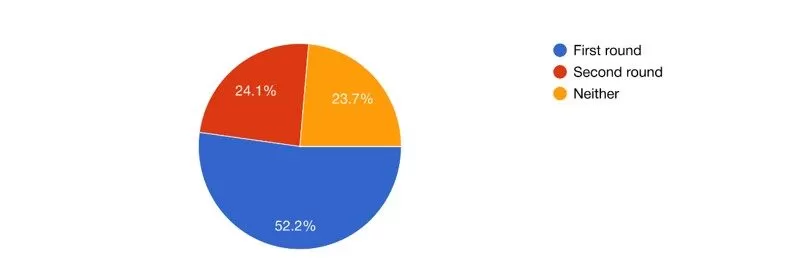
Figure 28. During which round of the election were you more active on social media?
Source: Authors’ own study
Over fifty percent of respondents stated that they were more active online during the first round of the election [Figure 28], which can be explained by the higher number of candidates and the differing views and statements to agree or disagree with. The presence of Szymon Hołownia in the first round also gave many Poles hope that the PO-PiS duopoly[3] could be shattered, a similar effect to the one observed during the 2015 presidential campaign when Paweł Kukiz was perceived as an anti-establishment candidate. Thus, a certain regularity can be observed here – voters sometimes are more likely to trust candidates with no political history or background.
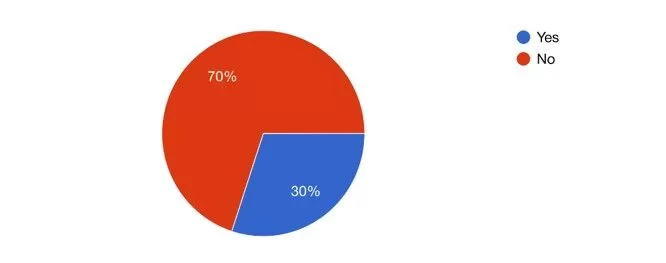
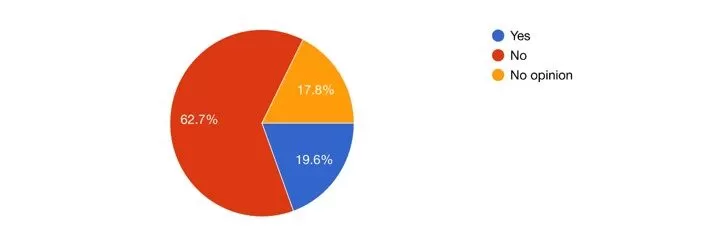
In the 2020 presidential campaign, the incumbent President Andrzej Duda definitely led the way in innovative and unconventional efforts, appearing on TikTok (a platform considered more popular with younger Internet users) and responding to the Hot16Challange2 (which was viewed over twelve million times). This was obviously done as an image-warming marketing activity. An exemplar in this regard still remains the former US President Barack Obama, who repeatedly showed his human face by, inter alia, beatboxing with a Vietnamese rapper during an official visit abroad. However, seventy percent of respondents in this study still stated that politicians should not engage in such activities [Figure 29].
Figure 29. In your opinion, should politicians participate in online stunts likeHot16Challange2?
Source: Authors’ own study
Another issue was the impact of social media on voter turnout. Although over eighty percent of respondents declared that social media had not contributed to their decision to go to the polls, twelve percent still said that they had been encouraged by social media to do so [Figure 30]. Although low, this figure shows the growing impact of social media on civic awareness and engagement among Poles.
Figure 30. Did the activity of politicians or your online friends on social media motivate you to go to the polls?
Source: Authors’ own study
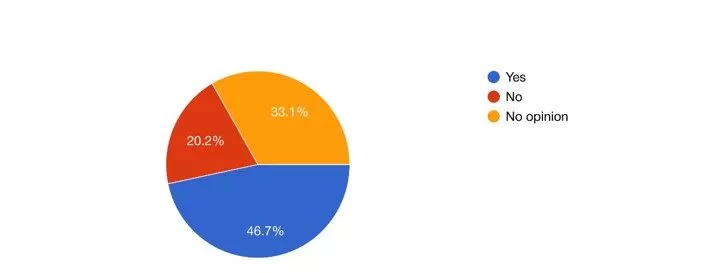
The two questions that followed were correlated, the first concerning the possibility of winning elections without the use of social media, and the second the strategic aspects that may have changed the final outcome of the election under study. Over sixty percent of respondents felt that it was nowadays impossible to win an election without the use of social media [Figure 31], and almost fifty percent stated that if the online campaign had been waged differently, the outcome could have been different [Figure 32].
Figure 31. Is it possible to win an election without social media today?
Source: Authors’ own study
Figure 32. Could the outcome of the election have been different if the social media campaign had been waged differently?
Source: Authors’ own study
Discussion
The study aimed both to determine how social media audiences engaged politically and to understand their reactions to the 2020 presidential election in Poland. Analysis of the survey results proved that social media had had a significant impact on the choice of a given candidate. Almost all respondents agreed that politicians should have their own personal account and conduct their election campaign on social media. Respondents felt that Szymon Hołownia most actively engaged the online community of voters. The possibility to directly ask questions to candidates during live events and the regularly shared content on social media were the most desired features. The 2020 elections also presented an opportunity for unconventional promotional methods, e.g., using TikTok or taking part in online stunts.
The number of respondents was representative. For fifty-eight percent of those surveyed in the first round and twenty-eight percent in the second round, social media had a major impact on who to vote for. This lower figure stemmed from the fact that only two candidates qualified for the second round (Szymon Hołownia, who had managed to engage the online community most effectively, being one of those not to proceed).
Ninety-two percent of respondents felt that the election campaign should be conducted on social media, with almost all respondents stating that politicians should have their own social media accounts. For sixty-four percent the online presence of political figures was influential, revealing the effect of pre-election online activities on the final outcome of the election. The following activities of the candidates online proved most popular among the respondents: the possibility to ask questions directly during live events, regularly shared content, and expressing a clear understanding of social issues.
Despite the impact of social media, the majority of respondents had their favourite candidate and remained loyal to them. Over sixty percent declared that after their candidate had been eliminated from the presidential race, they cast their vote for the “lesser evil.” Respondents were keen to engage in the campaign by sharing political content (fifty-five percent) and following the candidates online – each respondent followed the account of at least one politician, a sign of increasing civic awareness. It is clear that voters in 2020 had clearly defined expectations and eagerly supported their candidates, which was also reflected in the highest voter turnout since 1989.
The survey results do not confirm the role of the Internet in encouraging people to go to the polls. Most respondents had already decided to vote (or not) in the elections, while only twelve percent declared that social media were effective in swaying their decision about going to the polls to vote.
The 2020 election was also an opportunity to employ unconventional promotion methods, e.g., Tik Tok or online stunts. Though immensely popular in the US, these endeavours proved quite ineffective in Poland, as seventy percent of respondents viewed them negatively. It can be concluded that Polish politicians still lack effective PR tools to soften their image, as many respondents were not convinced by those using the said methods. However, over sixty percent of respondents still stated that it is nowadays impossible to win an election without promotional activities on social media. This fact poses a particular challenge for political campaign staff and has encouraged presidential candidates to engage social media experts, especially since social media are expected to become an even bigger battleground for voters in the future.
The study validated the hypothesis that the pre-election promotion of presidential candidates on social media was an essential part of the 2020 election campaign in Poland. Respondents noticed that in the 2020 presidential campaign a greater emphasis was placed on promoting the candidates online, which stemmed from, inter alia, the COVID-19 pandemic. The majority of voters are nowadays Internet users and they appreciated the possibility to see live coverage of political meetings and events, to be able to ask questions directly to candidates, and to interact with them in general. Obviously, the candidates’ fundamental statements and image were presented online and these were also taken into consideration by respondents (Leśniczak, 2017, 2018, 2021). All this highlights the challenge posed for candidates in gaining and keeping voters’ attention during an election campaign, as this must be fought not only in the “real world” but, increasingly, online.
References
Adamczyk, D. (2020) ‘Wizerunek medialny kandydatów na urząd prezydenta RP w kampanii wyborczej 2020 roku. Analiza wybranych telewizyjnych serwisów informacyjnych,’ Łódzkie Studia Teologiczne, 2, 9-36.
Adamik-Szysiak, M. (2021) ‘Pandemia COVID-19 w strategiach komunikowania w mediach społecznościowych głównych kandydatów w wyborach prezydenckich w Polsce w 2020 roku,’ Media – Biznes – Kultura, 2, 109-123.
Adamik-Szysiak, M. (2018) Strategie komunikowania podmiotów politycznych w Polsce w mediach społecznościowych, Wydawnictwo UMCS, Lublin.
Castells, M. (2013) Społeczeństwo sieci, Wydawnictwo Naukowe PWN, Warsaw.
Cialdini, R. (2024) Wywieranie wpływu na ludzi. Teoria i praktyka, Gdańskie Wydawnictwo Psychologiczne, Gdańsk.
Cześnik, M. et al. (ed.) (2022) Reguły, zamiary, praktyki. Prawo wyborcze i wybory 2017-2020, Wydawnictwo Naukowe SCHOLAR, Warsaw.
Dobek-Ostrowska, B. (2018) ‘Mediatyzacja polityki w tygodnikach opinii w Polsce – między polityzacją a komercjalizacją,‘ Zeszyty Prasoznawcze, 2, 224-246. DOI: 10.4467/22996362 PZ.18.016.9111.
Dobek-Ostrowska, B., Głowacki, M. (2015) Democracy and Media in Central and Eastern Europe, Peter Lang, Bern.
Gainous, J., Wagner, K. M. (2014) Tweeting to Power: The Social Media Revolution in American Politics, Oxford University Press, Oxford.
Grotowska, S. (2023) ‘Instytucja Kościoła mnie rozczarowała – religia w dyskursie prawicowych portali informacyjnych podczas kampanii prezydenckiej w 2020 roku,’ Przegląd Religioznawczy – The Religious Studies Review, 1 (287), 81-93.
Gustowski, W. (2012) Komunikacja w mediach społecznościowych, Novae Res, Gdynia.
Kocjan, J. (2021). Rola mediów tradycyjnych oraz mediów społecznościowych podczas pandemicznych wyborów prezydenckich w USA. Aspekty prawne i ustrojowe. [Online], press, 4 (1), 6-21. DOI: https://doi.org/10.51480/compress.2021.4-1.234
Kręgielewski, A., Turek, M. (2019) IAB Przewodnik po social media w Polsce, IAB Polska, Warsaw.
Kristanova, E. (ed.) (2023) Polityka a media w Polsce w XX i XXI wieku. Wybrane zagadnienia, Instytut Pamięci Narodowej, Szczecin-Warsaw.
Kristanova, E., Habielski, R., Such-Pyrgiel, M. (ed.) (2024) Politics and the Media in Poland from the 19th to the 21st Centuries, Brill, Leiden-Boston.
Krygier, Z. (2019) Strategia sukcesu Andrzeja Dudy w wyborach prezydenckich w 2015 roku, Refleksje 19/20.
Leśniczak, R. (2018) ‘Deontologiczna perspektywa badań medioznawczych wizerunku polityków,’ Łódzkie Studia Teologiczne, 27 (1), 69-86.
Leśniczak, R.(2023), Komunikowanie polityczne w wybranych polskich portalach o tematyce religijnej (2019-2020). In: Polityka a media w Polsce w XX i XXI wieku. Wybrane zagadnienia, Kristanova, E. (ed.), Instytut Pamięci Narodowej, Szczecin-Warsaw.
Leśniczak, R. (2021), Personalizacja wizerunku prasowego obozu Zjednoczonej Prawicy w okresie pandemii COVID-19. Analiza medioznawcza Tygodnika Powszechnego, Niedzieli i Gościa Niedzielnego. In: Zatruta studnia? Media w czasach pandemii COVID-19, M. Sokołowski (ed.), Wydawnictwo Adam Marszałek, Toruń.
Leśniczak, R. (2017) ‘Wizerunek prezydenta elekta Andrzeja Dudy w polskich tygodnikach katolickich Gość Niedzielny i Niedziela,’ Politeja-Pismo Wydziału Studiów Międzynarodowych i Politycznych Uniwersytetu Jagiellońskiego, 14 (48), 299-318.
McQuail, D. (2012) Teoria komunikowania masowego, Wydawnictwo Naukowe PWN, Warsaw.
Pilch, T. and Bauman, T. (2001) Zasady badań pedagogicznych. Strategie ilościowe i jakościowe, Wydawnictwo Akademickie Żak, Warsaw.
Stępińska, A. (2004) Marketingowe strategie wyborcze. Wybory prezydenckie w Polsce (1990-2000), WNPID UAM, Poznań.