Rossmery ALBARRAN-TAYPE1, Maria Olivia PACHAS-FUENTES1 and Ana Patricia GÓMEZ-DE LA FUENTE2
1Universidad Privada del Norte, Lima, Perú
2Universidad Tecnológica del Perú, Lima, Perú
Volume 2026,
Article ID 401945,
IBIMA Business Review,
17 pages,
DOI: doi.org/10.5171/2026.401945
Received date: 13 May 2026; Accepted date: 30 June 2026; Published date: 15 September 2026
Academic Editor: Yessica Erazo-Ordonez
Cite this Article as:
Rossmery ALBARRAN-TAYPE, Maria Olivia PACHAS-FUENTES and Ana Patricia GÓMEZ-DE LA FUENTE (2026)," “Advancing Sustainable Development through Purpose-Driven Marketing: A Systematic Literature Review of Latin American Evidence “, IBIMA Business Review, Vol. 2026 (2026), Article ID 401945, https://doi.org/10.5171/2026.401945
Purpose-driven marketing has gained increasing prominence as organizations seek to align business strategies with the Sustainable Development Goals (SDGs). However, evidence on how these strategies have been conceptualized, implemented, and evaluated in Latin America remains fragmented. This study provides a systematic synthesis of the scientific literature to examine the strategic orientation of purpose-driven marketing, its alignment with the Sustainable Development Goals, and the main research gaps in the region. A systematic literature review was conducted following the PRISMA 2020 guidelines using Scopus, Web of Science, and DOAJ. Articles published between 2015 and 2024 were screened, resulting in a final sample of 37 peer-reviewed studies. The findings reveal that purpose-driven marketing in Latin America is predominantly associated with branding, storytelling, and corporate reputation strategies, with a strong emphasis on Sustainable Development Goal 12 (Responsible Consumption and Production), Sustainable Development Goal 9 (Industry, Innovation and Infrastructure), and Sustainable Development Goal 8 (Decent Work and Economic Growth). In contrast, social Sustainable Development Goals related to gender equality, reduced inequalities, and well-being receive considerably less attention. The review also identifies a persistent reliance on perceptual indicators, such as brand reputation and purchase intention, while objective measures of social and environmental impact remain scarce. Finally, the study proposes a typological model that distinguishes symbolic from operational purpose and productive from social Sustainable Development Goals, offering an integrative framework for understanding the evolution of purpose-driven marketing and supporting future research and managerial decision-making aimed at fostering more authentic and measurable contributions to sustainable development.
Keywords: Purpose-driven marketing; Sustainable Development Goals (SDGs); Latin America; systematic literature review; typological model; shared value; sustainability.
Introduction
Over the past decade, organizations have faced profound transformations driven by new social, regulatory, and environmental expectations, which have spurred a significant evolution in marketing strategies. In this context, purpose-driven marketing has emerged as a strategic approach that transcends transactional logic to integrate ethical, social, and sustainability values into the core of the business (Hajdas & Kłeczek, 2021; Södergren, 2021; France et al., 2024). This type of marketing seeks to connect the brand’s identity with a relevant social or environmental cause, fostering a relationship of authenticity, consistency, and ongoing commitment between the company and its stakeholders (Aaker, 2019). Likewise, recent research has delved deeper into the conceptualization of brand purpose as a construct that transcends communicational positioning by linking it to the generation of social value and broader dimensions of consumer well-being, thereby reinforcing its relevance as a strategic approach in contemporary marketing (Williams et al., 2022).
Unlike traditional corporate social responsibility—which has historically functioned as a set of peripheral actions—purpose-driven marketing is a cross-cutting strategy that impacts organizational culture and the value proposition (Lemon & Verhoef, 2016; Gartenberg et al., 2019).
The growing importance of purpose in the business world can be attributed to multiple factors. On the one hand, social pressure and consumer expectations have shifted: recent studies show that consumers, especially young people, demand that brands take clear stances on environmental challenges, inequality, inclusion, and social justice (Kücükgül et al., 2022; Vredenburg et al., 2020; Luna-Amador et al., 2025). For this group, consistency between corporate discourse and practices has become a central criterion for evaluating the credibility of corporate purpose and its influence on the relationship with the brand (Theocharis & Tsekouropoulos, 2025).
On the other hand, regulatory changes and demands for corporate transparency have prompted organizations to integrate environmental, social, and governance (ESG) metrics into their strategic management (Walter et al., 2024; Yang et al., 2021; Arena et al., 2023). In particular, recent evidence suggests that the quality and depth of corporate reporting related to the SDGs vary widely across organizations, depending on both institutional factors and internal governance and management characteristics, highlighting the need for more consistent analytical frameworks and metrics to evaluate such practices (Subramaniam et al., 2023).
Literature Review
Sustainable Development Goals
In this regard, the Sustainable Development Goals (SDGs), promoted by the United Nations 2030 Agenda, offer a global framework to guide business actions that simultaneously contribute to social well-being and competitiveness (United Nations, 2015; Mio et al., 2020). However, despite the centrality of the SDGs as a global framework, research in management and marketing still shows limited integration between sustainability, innovation, and business strategy, which has resulted in scattered scientific output with little cumulative coherence. This situation underscores the need for approaches that systematize existing evidence and enable progress toward a more integrated understanding of the phenomenon (Azmat et al., 2023).
In regions such as Latin America, purpose-driven marketing takes on special significance due to the region’s complex socioeconomic reality. The region is characterized by deep social divides, inequality, informal employment, environmental degradation, and institutional constraints—conditions that present challenges but also opportunities for sustainability-oriented business models (ECLAC, 2023; Scheyvens et al., 2016). The literature shows that, in environments where institutions are not fully robust, companies can play a more active role in generating social well-being, becoming key actors in sustainable development (Marquis & Raynard, 2015). In this context, purpose-driven marketing positions itself as a tool for Latin American organizations to legitimize their actions, build trust, and promote more responsible consumption trends (Miller et al., 2009; Bianchi et al., 2020).
The adoption of purpose-driven marketing in Latin America has seen mixed results. In countries such as Brazil, Mexico, Chile, and Colombia, more robust ecosystems have developed around corporate sustainability and brand activism, driven by leading companies that have integrated environmental and social goals into their business strategies. For example, brands like Natura have demonstrated a sustained commitment to the Amazon, while the Colombian coffee industry has articulated purpose-driven narratives based on cultural identity and fair trade. However, the literature also highlights persistent challenges such as the lack of standardized metrics, the presence of greenwashing, the disconnect between purpose and operations, and limited alignment with social SDGs, particularly those related to gender equality (SDG 5) and reducing inequalities (SDG 10) (Delmas & Burbano, 2011; Lyon & Montgomery, 2015; Dinçer et al., 2024).
From a theoretical perspective, purpose-driven marketing is grounded in three widely recognized conceptual frameworks: the Triple Bottom Line (TBL), Stakeholder Theory, and the theory of Shared Value. The TBL proposes that companies must balance economic, social, and environmental outcomes (Elkington, 1997), while Stakeholder Theory emphasizes the responsibility organizations have toward all groups that affect or are affected by their operations (Freeman, 1984). For its part, the shared value approach posits that companies can generate economic benefits while addressing social problems, provided they integrate these objectives into the core of their strategy (Porter & Kramer, 2011). These three perspectives constitute the conceptual foundation for analyzing how Latin American companies link their purpose to the SDGs and how these strategies generate sustainable value.
Despite its growing relevance, the scientific literature on purpose-driven marketing in Latin America lacks systematic integration, with a predominance of sector-specific studies or isolated case studies. Various studies focus on individual cases or specific sectors such as cosmetics, agribusiness, or mass consumption (Awuah et al., 2024). However, there is no systematic review that synthesizes the available empirical and theoretical evidence to identify regional patterns, emerging trends, research gaps, and opportunities for business practice. Nor are there studies that analyze in detail the degree of alignment between corporate purpose strategies and specific SDG indicators, which is essential for evaluating their actual contribution to sustainable development (van der Waal & Thijssens, 2020).
In this regard, a systematic review of the literature is necessary to understand the current state of purpose-driven marketing in Latin America, assess its authenticity, explore its main strategies, identify the prioritized SDGs, and analyze its impact. Furthermore, given the growing prominence of purpose as a strategic differentiator, it is essential to examine the extent to which Latin American organizations are transitioning from a symbolic purpose to an operational one—that is, one reflected in policies, practices, indicators, and tangible results (Hurth & Whittlesea, 2017).
Therefore, this article aims to critically analyze purpose-driven marketing strategies implemented in Latin America between 2015 and 2024, evaluating their alignment with the Sustainable Development Goals and their contribution to regional sustainable development. The review follows the PRISMA 2020 guidelines to ensure methodological rigor and draws on conceptual frameworks established in contemporary sustainability and marketing literature. It also seeks to answer three main questions:
How is purpose-driven marketing being conceptualized and implemented in Latin America?
Which SDGs are organizations prioritizing?
What are the gaps, challenges, and opportunities for moving toward more authentic and impactful purpose-driven strategies?
These questions structure the analysis of results and guide the interpretive discussion presented in the following sections.
Finally, this study contributes to academic literature and business practice by offering a consolidated overview of the state of purpose-driven marketing in Latin America, proposing an integrative conceptual model, and outlining a research agenda aimed at strengthening sustainability in the region.
Based on the thematic integration derived from the PRISMA analysis, two recurring dimensions were identified that structure the literature: (i) the level of purpose integration within the organization and (ii) the type of sustainability impact prioritized. These dimensions emerged inductively from the findings and were subsequently interpreted in light of the reviewed theoretical frameworks.
Methodology
This research was conducted through a systematic literature review, following the methodological guidelines of the PRISMA 2020 statement, with the aim of identifying, comparing, and synthesizing the available scientific evidence on purpose-driven marketing, sustainability, and their link to the Sustainable Development Goals (SDGs). This type of review is relevant due to the emerging, multidisciplinary, and fragmented nature of the field, where studies in marketing, management, sustainability, communication, and the social sciences converge, originating both from Latin America and from global contexts that have conceptually influenced the region.
Given that the literature on purpose-driven marketing combines empirical approaches (quantitative, qualitative, and mixed-methods) with theoretical studies and structured reviews, a configurative approach was adopted, as it is recommended for integrating multiple methodological and conceptual perspectives into a coherent analysis. This approach allows for an understanding not only of the empirical findings but also of the thematic relationships, theoretical frameworks, and explanatory mechanisms that link corporate purpose with sustainability (Snyder, 2019; Xiao & Watson, 2019).
The search strategy was carried out between January and March 2026 in three of the most prestigious databases with the broadest interdisciplinary coverage: Scopus, Web of Science, and DOAJ. The search strategy was structured using Boolean search operators designed to capture studies related to “purpose-driven marketing,” “sustainability,” and “sustainable development goals.” Searches were conducted in the title, abstract, and keywords fields (Title–Abstract–Keywords).
The main search terms used were: (“purpose-driven marketing” OR “brand purpose” OR “purpose marketing” OR “marketing con propósito”) AND (‘sustainability’ OR “sustainable development” OR SDG* OR “sustainable development goals”) AND (“Latin America” OR “Latin American” OR Brazil OR Mexico OR Chile OR Colombia OR Peru OR Argentina). Additionally, Spanish and Portuguese equivalents were used to expand regional coverage.
The initial search yielded 73 records, of which 12 were excluded due to duplication. Subsequently, a screening process was conducted by reviewing titles and abstracts, excluding studies that were not relevant to the purpose of the review. After assessing the methodological and thematic eligibility of the documents, a total of 37 articles were included in the final synthesis.
For each article, specific information was extracted regarding authorship, year of publication, country or region of study, sector analyzed, type of methodology used, SDGs involved, identified purpose-driven marketing strategies, and main results. This structure allowed for a comparative analysis and the identification of patterns at both the regional and global levels. The inclusion of studies not exclusively from Latin America responds to the need to contextualize the phenomenon, recognize key theoretical contributions, and establish points of contrast that enrich the interpretation of regional findings.
However, ethical criteria specific to scientific research were applied, including the proper use of sources, transparent citation, bibliographic verification of the included articles, and responsible interpretation of the evidence.
Search Strategy
The search was conducted in the following databases:
Scopus
Web of Science (WoS)
DOAJ
Inclusion and Exclusion Criteria
Inclusion criteria:
Peer-reviewed articles published between 2015 and 2024.
Studies with an explicit link to sustainability, purpose, sustainable branding, or social marketing.
Research conducted in Latin America or international studies with theoretical contributions directly applicable to the Latin American context.
Empirical or theoretical articles, or systematic/literature reviews.
Exclusion criteria:
Theses, books, or non-peer-reviewed documents.
Studies exclusively on CSR without a marketing component.
Studies with no explicit connection to the SDGs or sustainability.
PRISMA Selection Process
The initial search yielded 73 records.
12 duplicates were removed, leaving 61.
After screening titles and abstracts, 27 studies were excluded due to lack of thematic or methodological relevance (CSR without a market focus, purely technical studies, etc.).
The full text of the remaining 37 articles was reviewed, verifying their relationship to the study variables as well as the clarity of their research design.
The process culminated in 37 unique articles included in the final qualitative synthesis (PRISMA).
Data Extraction and Analysis
The information was organized into a table (Excel) that included:
Author and year
Country of study
Type of research
SDGs addressed
Sector
Purpose-driven marketing strategies
Key findings
In the literature, purpose-driven marketing (PDM) has emerged as a key strategy for companies seeking to align with the Sustainable Development Goals (SDGs), and its relevance in Latin America has grown in recent years. However, the different interpretations and applications of PDM require a clear systematization that allows us to understand how it relates to the SDGs in the region. To this end, we propose an integrative conceptual model based on four fundamental theoretical frameworks:
Organizational purpose theory (Hurth & Whittlesea, 2017),
Stakeholder theory (Freeman, 1984),
The shared value approach (Porter & Kramer, 2011),
Critical literature on greenwashing (Delmas & Burbano, 2011; Lyon & Montgomery, 2015).
Following Doty and Glick (1994), typologies constitute a valid form of theoretical construction aimed at organizing complex phenomena when the objective is not to explain causality but to classify emerging empirical patterns. In this study, the proposed model fulfills this integrative function.
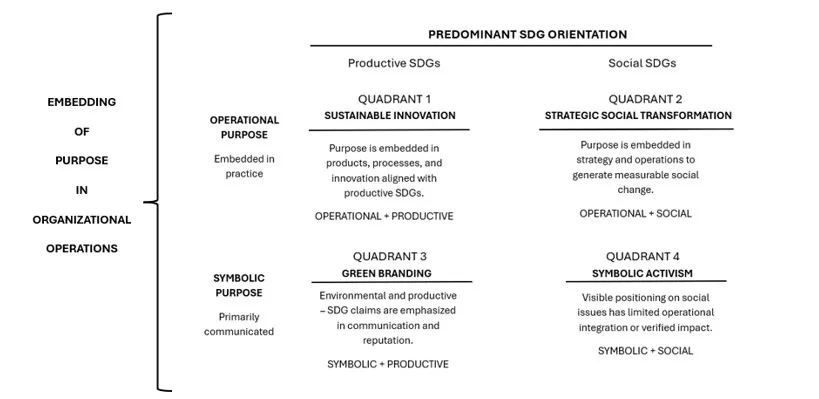
Figure 1: Author-Developed Typology of Purpose-Driven Marketing in Latin America
Note: Original model developed by the authors from the thematic analysis of the systematic review. Its theoretical interpretation was informed by Hurth and Whittlesea (2017), Freeman (1984), and Porter and Kramer (2011).
The reviewed evidence shows a concentration of initiatives in the “symbolic purpose–productive SDGs” quadrant, while the “operational purpose–social SDGs” quadrant remains underrepresented, highlighting a strategic opportunity for the future development of purpose-driven marketing in Latin America.
Results
The results of this systematic review are based on the analysis of 37 scientific articles selected and validated using the methodological criteria established in the PRISMA protocol. The evidence analyzed reveals clear patterns regarding methodological approaches, the prioritization of Sustainable Development Goals (SDGs), purpose-driven marketing (PDM) strategies, and reported outcomes, as well as significant methodological gaps relevant to the Latin American context.
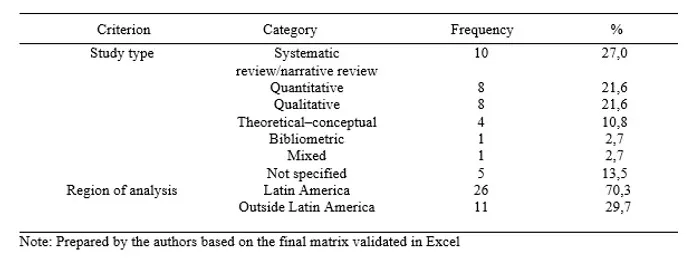
Table 1 presents the general characteristics of the studies included in the review, considering the type of research, the methodological approach, and the region of analysis.
Table 1. General characteristics of the studies included in the systematic review (n = 37)
Conceptualization and Applications of Purpose-Driven Marketing in Latin America
The results show that the field of purpose-driven marketing is in a phase of consolidation, characterized by a high number of reviews and descriptive studies, and a smaller proportion of confirmatory or longitudinal research. The predominance of cross-sectional empirical studies (quantitative and qualitative) suggests that the literature still prioritizes the exploration of the phenomenon over the rigorous evaluation of sustained impacts over time.
The reviewed studies conceptualize purpose-driven marketing primarily as: (a) a branding and narrative strategy focused on reputation and emotional connection; and, to a lesser extent, (b) an operational approach integrated into governance, ESG metrics, and business model processes.
Furthermore, a clear regional focus on Latin America is observed, reinforcing the contextual relevance of the review. However, the inclusion of studies conducted outside the region responds to the need to incorporate theoretical and conceptual frameworks that allow for the interpretation of the development of purpose-driven marketing in emerging economies, especially in contexts of institutional weakness and high structural inequality.
Finally, the reviewed evidence suggests that purpose-driven marketing in Latin America is predominantly conceptualized as a symbolic strategy aimed at building legitimacy and emotional connection, while its operational implementation—integrated into governance, ESG metrics, and organizational processes—remains limited and in its early stages.
Prioritized Sustainable Development Goals
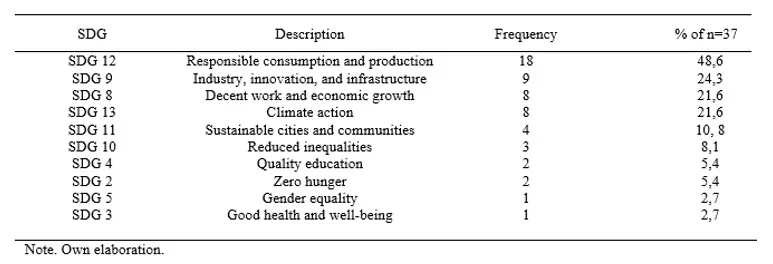
Table 2 summarizes the frequency of occurrence of the SDGs in the analyzed articles, noting that a single study may address more than one goal.
Table 2. Frequency of SDGs addressed in the reviewed studies
Empirical evidence reveals a significant focus on SDG 12, indicating that purpose-driven marketing strategies in Latin America are primarily oriented toward responsible consumption, product sustainability, and efficiency in production processes. This trend is consistent with the literature that positions marketing as a facilitator of more responsible and environmentally conscious consumer decisions.
Likewise, the presence of SDG 9 and SDG 8 reflects a link between purpose-driven marketing and agendas for innovation, competitiveness, and economic growth, suggesting that purpose is integrated primarily as a mechanism for economic legitimacy rather than as a tool for profound social transformation.
In contrast, SDGs linked to social equity, such as gender equality (SDG 5), reduced inequalities (SDG 10), and good health and well-being (SDG 3), are underrepresented, despite their high relevance to the Latin American context. This finding highlights a gap between the region’s structural challenges and the thematic priorities addressed through purpose-driven marketing. This pattern shows a higher frequency of studies associated with productive SDGs (Mio, 2020; Subramarian, 2023) compared to social SDGs (Regina Scheibens, ECLAC, 2016).
Identified Purpose-driven Marketing Strategies
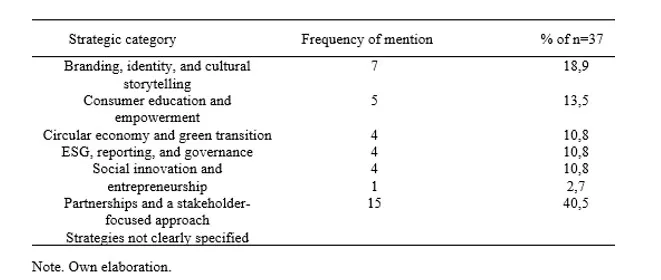
Based on the thematic analysis of the strategic category and frequency of mention columns, six major strategic categories were identified, as summarized in Table 3.
Table 3. Purpose-driven marketing strategies identified in the literature
The analysis shows that a significant proportion of the studies (40.5%) describe purpose-driven marketing strategies in ambiguous or poorly operationalized terms, making it difficult to classify them accurately. This finding is not a limitation of the study, but rather a significant contribution, as it highlights the lack of conceptual and methodological clarity in part of the existing literature.
Among the clearly identified strategies, purpose-driven branding stands out, based on the use of cultural narratives, territorial identity, and social storytelling. This strategy is particularly effective in Latin American contexts, where the symbolic and emotional connection with the brand is a key differentiator.
Regarding the strategy of consumer education and empowerment, this emerges as a relevant approach within purpose-driven marketing, as it focuses on developing critical skills in consumers to make informed and responsible decisions. This strategy not only promotes changes in consumption patterns but also strengthens the brand-consumer relationship from an ethical and educational perspective.
On the other hand, strategies related to Environmental, Social, and Governance (ESG) and reporting demonstrate progress toward formalizing corporate purpose through sustainability metrics and reports; however, various studies warn of the risk that these practices may be limited to regulatory compliance without a genuine transformation of the business model—a phenomenon associated with greenwashing (Delmas & Burbano, 2011; Lyon & Montgomery, 2015).
Social innovation and purpose-driven entrepreneurship strategies are more consistent with the spirit of the SDGs, as they link marketing with community development and the creation of social value. However, their scalability and impact measurement remain limited.
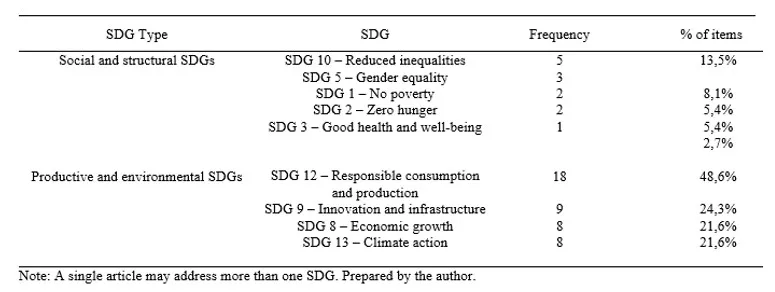
Likewise, an analysis of the distribution of the Sustainable Development Goals (SDGs) across the reviewed studies shows that organizations in Latin America primarily prioritize those linked to productive, economic, and environmental dimensions. In particular, SDG 12: Responsible Consumption and Production stands out as the most frequently cited, reflecting a growing focus on sustainable production models and conscious consumption practices within purpose-driven marketing strategies. Similarly, SDG 9: Industry, Innovation, and Infrastructure and SDG 8: Decent Work and Economic Growth feature prominently, reflecting organizations’ interest in promoting competitiveness, innovation, and sustainable economic development (Du et al., 2007).
In contrast, social SDGs, such as SDG 1: No Poverty, SDG 3: Good Health and Well-being, and SDG 5: Gender Equality, are addressed less frequently, suggesting a gap in the integration of structural social issues within the business strategies analyzed. Likewise, the high proportion of studies addressing multiple SDGs simultaneously indicates an approach that remains diffuse and lacking in specialization, which limits the identification of clear priorities. Taken together, these findings lead to the conclusion that, while there is a trend toward sustainability, organizations in Latin America primarily prioritize SDGs associated with productive efficiency and competitiveness, while giving less attention to those focused on social equity.
Table 4. Distribution of the Sustainable Development Goals in the reviewed studies (n = 37)
Reported Business and Social Outcomes
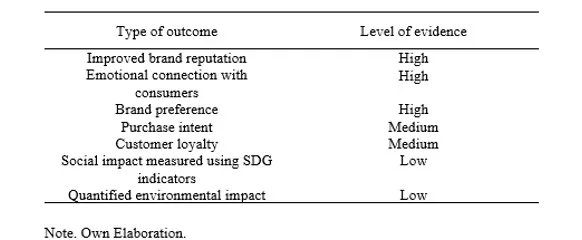
Table 5 summarizes the main outcomes associated with the implementation of purpose-driven marketing strategies in the studies analyzed. The analysis of the results shows that purpose-driven marketing strategies primarily generate impacts in intangible dimensions related to the consumer and the brand. In this regard, there is strong evidence of improvements in brand reputation, emotional connection with consumers, brand preference, and purchase intent (Walter et al., 2024; Yang et al., 2021; Arena et al., 2023), confirming that these strategies significantly strengthen the symbolic and emotional bonds between organizations and their audiences. However, the results associated with customer loyalty present a moderate level of evidence, suggesting that, while initial attention and preference are captured, there are still limitations in consolidating sustainable long-term relationships.
On the other hand, social and environmental impacts show lower levels of evidence, particularly regarding the measurement of social impact using SDG indicators and quantified environmental impact, highlighting a significant gap in the operationalization and evaluation of non-economic outcomes.
Table 5. Reported results of purpose-driven marketing strategies
The results indicate that purpose-driven marketing is consistently associated with reputational and relational benefits, such as a stronger emotional connection with consumers and a positive brand perception. However, evidence regarding sustained economic impacts—and, in particular, objectively measured social and environmental impacts—is limited.
Most studies evaluate the success of purpose-driven marketing through perceptual indicators (image, attitude, intention), while few incorporate verifiable metrics directly aligned with the SDGs. This finding reinforces the need to move from a symbolic purpose approach toward an operational purpose, integrated into organizational processes, policies, and measurement systems (Hurth & Whittlesea, 2017).
Summary of Identified Gaps
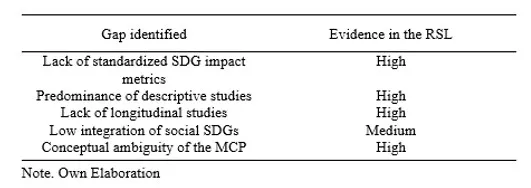
Finally, the review allows us to identify the main gaps in the literature, summarized in Table 6.
Table 6. Structural gaps identified in the literature
An analysis of the structural gaps identified in the literature reveals significant limitations in the establishment of purpose-driven marketing as a field of study in Latin America. In particular, the lack of standardized metrics for measuring impact on the SDGs (Snyder, 2019; Xiao & Watson, 2019), supported by a high level of evidence, constitutes one of the main challenges, as it hinders comparability between studies and limits the rigorous evaluation of results. Similarly, the predominance of descriptive studies and the scarcity of longitudinal designs, both supported by high-level evidence, reflect a lack of methodological depth, which restricts the understanding of causal relationships and sustained effects over time. On the other hand, the low integration of social SDGs, with a moderate level of evidence, indicates less attention to issues related to equity and social well-being compared to other dimensions of sustainable development. Finally, the conceptual ambiguity of purpose-driven marketing, also supported by high-level evidence, highlights the lack of theoretical consensus in the literature, which limits its definition and application in organizational contexts. Taken together, these findings—most of which are supported by high levels of evidence—confirm the need to strengthen methodological rigor, conceptual clarity, and measurement systems in order to advance the development of the field in the region.
Discussion
The objective of this systematic review was to critically analyze purpose-driven marketing strategies aligned with the Sustainable Development Goals (SDGs) in the Latin American context. The findings reveal significant progress in incorporating purpose into marketing practices, but also highlight important conceptual, methodological, and operational limitations that constrain its transformative potential. The findings are discussed in light of the academic literature, linking the empirical results to established theoretical frameworks and highlighting their implications for research and business practice in emerging economies.
The results obtained in this review reveal a bias toward productive and environmental SDGs, which aligns with the shared value theory, which explains how companies tend to align their strategies with objectives that generate direct economic value, such as responsible consumption and innovation (Porter & Kramer, 2011). This bias is particularly evident in SDG 12 (Responsible Consumption and Production), SDG 9 (Industry, Innovation, and Infrastructure), and SDG 8 (Decent Work and Economic Growth), which are the most frequently addressed in purpose-driven marketing strategies.
In contrast, social SDGs, such as gender equality (SDG 5), reducing inequalities (SDG 10), and health and well-being (SDG 3), are represented only marginally. This finding can be interpreted through the theory of organizational purpose, which distinguishes between symbolic and operational purposes (Hurth & Whittlesea, 2017). The reviewed studies show that organizations in Latin America, as in other regions, focus primarily on symbolic purposes—that is, branding and storytelling strategies—while operational purposes—those integrated into business models and organizational processes—are much less common, especially when it comes to structural social SDGs.
This gap between symbolic and operational purpose highlights a problematic bias, as the most visible and marketable strategies tend to focus on those SDGs that align with economic competitiveness, leaving aside issues of inequality and social justice (Freeman, 1984). In this context, the proposed conceptual model allows for the classification of purpose-driven marketing strategies according to their operational depth (symbolic → operational) and their alignment with the SDGs (productive → social).
This model highlights that the ideal quadrant—which combines an operational purpose with a focus on social SDGs—is the least common in the literature, indicating that there is still significant opportunity for transformation in how companies in the region approach purpose-driven marketing.
In contrast, structural social SDGs are significantly underrepresented. SDG 10 (Reduced Inequalities) appears in only 13.5% of the articles, while SDG 5 (Gender Equality) is identified in just 8.1%. SDGs 1 (No Poverty) and 2 (Zero Hunger) receive isolated mentions, and SDG 3 (Good Health and Well-being) is virtually absent.
This distribution reveals a thematic imbalance in the reviewed literature, with a clear prioritization of those SDGs most directly linked to business competitiveness and consumption management, to the detriment of goals aimed at social equity and the reduction of inequalities.
Purpose-Driven Marketing and the SDGs: Between Economic Legitimacy and Social Transformation
One of the most significant findings of this review is the thematic focus on SDGs 12, 8, and 9, which are associated with responsible consumption, economic growth, and innovation. This pattern aligns with previous studies indicating that organizations tend to prioritize those SDGs that can be more easily integrated into market logic and the generation of economic value (United Nations, 2015).
From a theoretical perspective, this orientation can be interpreted as a manifestation of the shared value approach, in which companies seek to align social and economic objectives without compromising their competitiveness (Porter & Kramer, 2011). However, the results also suggest that such alignment occurs selectively, favoring SDGs with more immediate reputational and commercial returns, to the detriment of those linked to structural issues such as inequality (SDG 10) or gender equality (SDG 5).
This trend is particularly significant in Latin America, a region characterized by deep social and economic divides. The low representation of social SDGs in purpose-driven marketing strategies highlights a disconnect between corporate priorities and the structural needs of the environment, which limits the potential of marketing as a tool for social transformation.
Previous studies have warned that, in contexts of high inequality, corporate purpose risks becoming mere symbolic rhetoric if they are not explicitly linked to agendas of inclusion and social justice (Marquis & Raynard, 2015; ECLAC, 2023). Likewise, according to Du et al. 2007, consumers are associated not only with the likelihood of purchase but also with the SDGs.
According to Garg et al. (2024), a sustainable supply chain is an essential component of sustainable marketing. To make a meaningful contribution to sustainable development goals, it is essential to address the various elements of the supply chain, including barriers, enabling factors, and logistics practices.
For brands that wish to remain relevant, it is tempting to take a stance on social or environmental issues, especially when it comes to attracting a new generation of consumers who are highly sensitive to these topics. Therefore, companies must decide when and how to implement a purpose-driven brand strategy. (Fernandes et al., 2024; Barrera, 2020; Kalogeras & Mejri, 2025; Hills, 1985).
The Predominance of the Communicational Approach and Risks of Superficiality
The analysis revealed that a significant proportion of the studies examined approach purpose-driven marketing from a communicational perspective, focusing on branding, storytelling, and the construction of brand identity. This approach is consistent with the literature highlighting the role of purpose as a mechanism for establishing an emotional connection with consumers and as a source of competitive differentiation (Aaker, 2019).
In the Latin American context, the emphasis on cultural narratives and territorial identity appears to be a particularly effective strategy, given the high symbolic value of belonging and local identity. However, the findings of the review suggest that these strategies, while effective in terms of reputation, do not always translate into substantive changes in business models or measurable impacts on the SDGs.
This gap between discourse and practice reinforces the conceptual distinction between symbolic purpose and operational purpose proposed by Hurth and Whittlesea (2017). While the former is limited to the communication of values and aspirations, the latter involves the integration of purpose into strategic decision-making, governance, and organizational processes.
The evidence analyzed indicates that most purpose-driven marketing initiatives in Latin America still fall into the first category, which increases the risk of practices associated with greenwashing.
Greenwashing, Legitimacy, and the Challenge of Authenticity
The discussion on greenwashing emerges as a cross-cutting theme in the reviewed literature. Various studies warn that the use of sustainability rhetoric without a real transformation of the business model can erode consumer trust and generate negative long-term reputational effects (Delmas & Burbano, 2011; Lyon & Montgomery, 2015).
The results of this review reinforce these warnings by showing that strategies based on ESG reporting and environmental certifications, while contributing to transparency, are not always accompanied by clear impact metrics or structural changes in business operations. In this sense, the legitimacy of purpose-driven marketing depends not only on the consistency of the message but also on the traceability and verifiability of its results.
According to stakeholder theory, the authenticity of a company’s purpose is established when companies consistently meet the expectations of their stakeholders and create value beyond that of shareholders (Freeman, 1984). The reviewed evidence suggests that, in Latin America, this consistency is still in its early stages and requires more rigorous evaluation frameworks that allow for distinguishing between authentic strategies and merely instrumental practices.
Impact Measurement: A Persistent Methodological Gap (Question 3)
Another critical finding of the review is the scarcity of studies that rigorously measure the social and environmental impact of purpose-driven marketing strategies. Most of the articles analyzed assess the success of PDM through perceptual indicators, such as reputation, brand preference, or purchase intent, which limits the ability to establish causal relationships between the strategies implemented and actual progress toward the SDGs.
This methodological limitation has been previously noted in reviews on sustainability and responsible marketing, which highlight the need to move toward longitudinal designs, standardized metrics, and mixed-methods approaches that integrate qualitative and quantitative indicators (Snyder, 2019; Xiao & Watson, 2019).
In the case of Latin America, this need is even more urgent, given that the lack of measurement can reinforce tokenistic practices and undermine the credibility of purpose-driven marketing as a tool for sustainable development.
The review also highlights an opportunity to incorporate more robust analytical approaches, such as impact assessment models aligned with SDG indicators, sustainable value chain analyses, and social performance metrics that capture effects beyond the short term.
Taken together, these gaps shape a future agenda centered on three priorities: (i) developing standardized SDG impact metrics, (ii) incorporating longitudinal designs that allow for the evaluation of causality and temporal sustainability, and (iii) integrating purpose into operational models beyond strategic communication.
Theoretical and Practical Contributions of the Review
From a theoretical perspective, this review contributes to the literature by systematizing and classifying purpose-driven marketing strategies in Latin America, highlighting their predominant orientation toward productive and environmental objectives, as well as the tensions between narrative and operational purpose.
It also provides empirical evidence that reinforces the need to integrate purpose-driven marketing into broader frameworks of shared value, stakeholder engagement, and strategic sustainability.
In practical terms, the findings offer clear implications for organizations operating in the region. In particular, they highlight the importance of:
Integrating purpose into the core of the business model, not just into communications;
Incorporating impact metrics aligned with the SDGs, which allow for the objective evaluation of results;
Expanding the focus of purpose-driven marketing toward social SDGs, especially those related to inequality and gender;
Strengthening the coherence between discourse, practices, and results as a prerequisite for building legitimacy and trust.
In summary, the discussion highlights that purpose-driven marketing in Latin America represents a field with high potential, yet one still limited by partial approaches and methodological weaknesses. Overcoming these limitations requires a joint effort between academia and business practice, aimed at transforming purpose into a genuine strategic pillar of sustainable development.
Conclusions
The objective of this systematic literature review was to analyze purpose-driven marketing strategies aligned with the Sustainable Development Goals (SDGs) in the Latin American context, identifying patterns, predominant approaches, reported outcomes, and gaps in the recent scientific evidence. Based on the analysis of 37 studies selected through a rigorous protocol based on PRISMA, the results allow for relevant conclusions to be drawn at both the theoretical and practical levels.
First, it is concluded that purpose-driven marketing in Latin America has advanced primarily in its communicational and reputational dimensions, showing a strong orientation toward branding, storytelling, and brand identity strategies. These strategies have proven effective in strengthening the emotional connection with consumers, improving corporate reputation, and reinforcing the social legitimacy of organizations. However, their transformative reach is limited when purpose is not structurally integrated into business models and organizational processes.
Second, the review reveals a clear prioritization of productive and environmental SDGs, particularly SDG 12 (Responsible Consumption and Production), SDG 8 (Decent Work and Economic Growth), and SDG 9 (Industry, Innovation, and Infrastructure).
This trend suggests that organizations tend to align purpose-driven marketing with areas where the impact is more visible, quantifiable, and compatible with business competitiveness goals. In contrast, structural social SDGs—such as reducing inequalities, gender equality, health, and poverty eradication—appear to be underrepresented, despite their high relevance in the Latin American context.
Third, a significant methodological gap is identified in the analyzed literature. Most studies evaluate the success of purpose-driven marketing based on perceptual indicators, such as reputation, purchase intent, or brand preference, while few incorporate objective and standardized metrics to measure social and environmental impact aligned with the SDGs. This limitation restricts the ability of the available evidence to conclusively demonstrate the real contribution of purpose-driven marketing to sustainable development.
Furthermore, the review highlights a persistent conceptual ambiguity surrounding purpose-driven marketing, which in some studies overlaps with approaches to corporate social responsibility, social marketing, or corporate sustainability, without a clear demarcation. This lack of conceptual precision hinders comparison between studies and weakens the consolidation of the field as an autonomous line of research.
Overall, the findings suggest that purpose-driven marketing in Latin America is in an intermediate stage of maturity, with significant progress in terms of discourse and strategy, but with challenges remaining before it can establish itself as a genuinely transformative tool aimed at reducing inequalities and comprehensively achieving the SDGs.
In this regard, the proposed typological model serves as a conceptual tool for understanding the evolution of purpose-driven marketing in emerging economies, offering an analytical foundation for future empirical research aimed at evaluating its actual impact on the achievement of the SDGs.
Implications of the Study
Theoretical Implications
This study contributes to the literature by offering a critical systematization of purpose-driven marketing in Latin America, highlighting the coexistence of symbolic and operational approaches. It also contributes to the theoretical discussion by identifying a structural bias toward productive SDGs, which broadens the debate on the limits of shared value and the need to integrate perspectives of equity, inclusion, and social justice into the analysis of corporate purpose.
Practical and managerial implications
For organizations, the findings suggest the need to:
Integrate purpose into the strategic core of the business model;
Incorporate social and environmental impact indicators explicitly aligned with the SDGs;
Expand the scope of purpose-driven marketing to include social SDGs, particularly gender and inequality;
Strengthen consistency between discourse, practices, and results as a condition for avoiding the risk of greenwashing.
Implications for Public Policy and Academia
From a public policy perspective, the study highlights the opportunity to promote multisectoral partnerships that link marketing, sustainable development, and social agendas. For academia, it underscores the need to develop more robust and comparable methodological designs in the study of purpose-driven marketing in emerging economies.
Study Limitations
Every systematic review has limitations that must be acknowledged. First, the study is based on indexed articles and available academic sources, which may have excluded gray literature or unpublished practical experiences. Second, the methodological heterogeneity of the included studies limits the possibility of making direct comparisons of impact. Finally, the presence of articles with incomplete editorial information in the initial matrix highlights a limitation related to the quality of reporting in some publications.
Future Research Directions
Based on these findings, it is recommended that future research:
Develop standardized measurement models for the impact of purpose-driven marketing aligned with SDG indicators;
Incorporate longitudinal designs that allow for the evaluation of sustained effects over time;
Delve deeper into the analysis of purpose-driven marketing as a tool for addressing structural social SDGs, particularly gender equality and the reduction of inequalities;
Explore comparative studies across countries and economic sectors in Latin America.
References
Aaker, D. A. (2019). Managing brand equity: Capitalizing on the value of a brand name. Free Press.
Arena, M., Azzone, G., Ratti, S., Urbano, V. M., & Vecchio, G. (2023). Sustainable development goals and corporate reporting: An empirical investigation of the oil and gas industry. Sustainable Development, 31(1), 12–25. https://doi.org/10.1002/sd.2369
Awuah, B., Yazdifar, H., & Elbardan, H. (2024). Corporate reporting on the Sustainable Development Goals: A structured literature review and research agenda. Journal of Accounting & Organizational Change, 20(4), 617–646. https://doi.org/10.1108/JAOC-10-2022-0155
Azmat, F., Lim, W. M., Moyeen, A., Voola, R., & Gupta, G. (2023). Convergence of business, innovation, and sustainability at the tipping point of the sustainable development goals. Journal of Business Research, 167, 114170. https://doi.org/10.1016/j.jbusres.2023.114170
Bianchi, E. C., Daponte, G. G., & Canziani, C. (2020). Consumer perceptions of B corporations, purpose-driven brands and cause-related marketing campaigns: Knowledge, acceptance and appreciation at the time of purchase. Journal of Business, Universidad del Pacífico, 12(1), 3–21. https://doi.org/10.21678/jb.2020.1413
(2023). Panorama social de América Latina 2023. Comisión Económica para América Latina y el Caribe. https://www.cepal.org/es/publicaciones/48901-panorama-social-america-latina-2023
Delmas, M. A., & Burbano, V. C. (2011). The drivers of greenwashing. California Management Review, 54(1), 64–87. https://doi.org/10.1525/cmr.2011.54.1.64
Dinçer, H., El-Assadi, A., Saad, M., & Yüksel, S. (2024). Influential mapping of SDG disclosures based on innovation and knowledge using an integrated decision-making approach. Journal of Innovation & Knowledge, 9(2), 100466. https://doi.org/10.1016/j.jik.2024.100466
Doty, D. H., & Glick, W. H. (1994). Typologies as a unique form of theory building. Academy of Management Review, 19(2), 230–251. https://doi.org/10.5465/amr.1994.9410210748
Elkington, J. (1997). Cannibals with forks: The triple bottom line of 21st century business. Capstone.
France, C., Gonzalez-Arcos, C. F., O’Rourke, A.-M., Spry, A., & Bruce, B. (2024). Brand purpose: A literature review and BEING implementation framework. Journal of Product & Brand Management, 33(7), 929–945. https://doi.org/10.1108/JPBM-08-2023-4663
Freeman, R. E. (1984). Strategic management: A stakeholder approach. Pitman.
Gartenberg, C., Prat, A., & Serafeim, G. (2019).
Corporate purpose and financial performance. Organization Science, 30(1), 1–18. https://doi.org/10.1287/orsc.2018.1230
Hajdas, M., & Kłeczek, R. (2021). The real purpose of purpose-driven branding: Consumer empowerment and social transformations. Journal of Brand Management, 28(4), 359–373. https://doi.org/10.1057/s41262-021-00231-z
Hurth, V., & Whittlesea, E. (2017). Characterizing marketing paradigms for sustainable marketing management. Social Business, 7(3-4), 359–390. https://doi.org/1362/204440817X15108539431541
Kücükgül, E., Cerin, P., & Liu, Y. (2022). Enhancing the value of corporate sustainability: An approach for aligning multiple SDGs guides on reporting. Journal of Cleaner Production, 335, 130005. https://doi.org/10.1016/j.jclepro.2021.130005
Lemon, K. N., & Verhoef, P. C. (2016). Understanding customer experience throughout the customer journey. Journal of Marketing, 80(6), 69–96. https://doi.org/10.1509/jm.15.0420
Luna-Amador, J., Caraballo-Payares, A., & Escobar-Espinoza, A. (2025). Brand activism: Research trends and cluster analysis. Investigaciones Europeas de Dirección y Economía de la Empresa, 31(1), 100279. https://doi.org/10.1016/j.iedeen.2025.100279
Lyon, T. P., & Montgomery, A. W. (2015). The means and end of greenwash. Organization & Environment, 28(2), 223–249. https://doi.org/10.1177/1086026615575332
Marquis, C., & Raynard, M. (2015). Institutional strategies in emerging markets. Academy of Management Annals, 9(1), 291–335. https://doi.org/10.1080/19416520.2015.1014661
Miller, D., Lee, J., Chang, S., & Le Breton-Miller, I. (2009). Filling the institutional void: The social behavior and performance of family vs non-family technology firms in emerging markets. Journal of International Business Studies, 40(5), 802–817. https://doi.org/10.1057/jibs.2009.11
Mio, C., Panfilo, S., & Blundo, B. (2020). Sustainable development goals and the strategic role of business: A systematic literature review. Business Strategy and the Environment, 29(8), 3220–3245. https://doi.org/10.1002/bse.2568
Porter, M. E., & Kramer, M. R. (2011). Creating shared value. Harvard Business Review, 89(1–2), 62–77. https://hbr.org/2011/01/the-big-idea-creating-shared-value
Scheyvens, R., Banks, G., & Hughes, E. (2016). The private sector and the SDGs: The need to move beyond ‘business as usual’. Sustainable Development, 24(6), 371–382. https://doi.org/10.1002/sd.1623
Snyder, H. (2019). Literature review as a research methodology: An overview and guidelines. Journal of Business Research, 104, 333–339. https://doi.org/10.1016/j.jbusres.2019.07.039
Södergren, J. (2021). Brand authenticity: 25 years of research. International Journal of Consumer Studies, 45(4), 645–663. https://doi.org/10.1111/ijcs.12651
Subramaniam, N., Akbar, S., Situ, H., Ji, S., & Parikh, N. (2023). Sustainable development goal reporting: Contrasting effects of institutional and organisational factors. Journal of Cleaner Production, 411, 137339. https://doi.org/10.1016/j.jclepro.2023.137339
Theocharis, D., & Tsekouropoulos, G. (2025). Sustainable consumption and branding for Gen Z: How brand dimensions influence consumer behavior and adoption of newly launched technological products. Sustainability, 17(9), 4124. https://doi.org/10.3390/su17094124
United Nations. (2015). Transforming our world: The 2030 agenda for sustainable development. https://sdgs.un.org/2030agenda
van der Waal, J. W. H., & Thijssens, T. (2020). Corporate involvement in Sustainable Development Goals: Exploring the territory. Journal of Cleaner Production, 252, 119625. https://doi.org/10.1016/j.jclepro.2019.119625
Vredenburg, J., Kapitan, S., Spry, A., & Kemper, J. A. (2020). Brands taking a stand: Authentic brand activism or woke washing? Journal of Public Policy & Marketing, 39(4), 444–460. https://doi.org/10.1177/0743915620947359
Walter, N., Föhl, U., Sander, F., & Nies, A. (2024). Act as you preach! Authentic brand purpose versus “woke washing’s” impact on brand credibility: The moderating role of cause involvement and consumer skepticism. Journal of Business Research, 184, 114868. https://doi.org/10.1016/j.jbusres.2024.114868
Williams, P., Escalas, J. E., & Morningstar, A. (2022). Conceptualizing brand purpose and considering its implications for consumer eudaimonic well-being. Journal of Consumer Psychology, 32(4), 699–723. https://doi.org/10.1002/jcpy.1324
Xiao, Y., & Watson, M. (2019). Guidance on conducting a systematic literature review. Journal of Planning Education and Research, 39(1), 93–112. https://doi.org/10.1177/0739456X17723971
Yang, J., Teran, C., Battocchio, A. F., Bertellotti, E., & Wrzesinski, S. (2021). Building brand authenticity on social media: The impact of Instagram ad model genuineness and trustworthiness on perceived brand authenticity and consumer responses. Journal of Interactive Advertising, 21(1), 34–48. https://doi.org/10.1080/15252019.2020.1860168
Du, S., Bhattacharya, C. B., & Sen, S. (2007). Reaping relational rewards from corporate social responsibility: The role of competitive positioning. International journal of research in marketing, 24(3), 224-241.
Garg, R., Chhikara, R., Agrawal, G., Rathi, R., & Arya, Y. (2024). Sustainable marketing mix and supply chain integration: A systematic review and research agenda. Sustainable Futures, 8, 100269.
Fernandes, T., Guzman, F., & Mota, M. (2024). Purpose is the new branding: understanding conscientious purpose-driven marketing and its impact on brand outcomes. Journal of Product & Brand Management, 33(6), 761-782.
Barrera Verdugo, G. (2020). Relationship between innovation and sustainability in Latin American countries: Differences by perceptual characteristics of early-stage entrepreneurs. Cogent Business & Management, 7(1), 1831766.
Kalogeras, S & Mejri, S 2025, ‘Socially responsible purpose-driven brands in the digital era: a brandconsumer-value perspective for social learning and well-being’, Social Responsibility Journal, vol. 21, no. 8, pp. 1630-1656. https://doi.org/10.1108/SRJ-08-2024-0562.