Jesús Fernando BEJARANO AUQUI, Leonardo Jhonny SEGURA MONTAÑEZ
And Jazmin Leonela MAMANI PEREZ
Universidad Peruana Unión, Lima, Perú
Volume 2026,
Article ID 657754,
IBIMA Business Review,
17 pages,
DOI: doi.org/10.5171/2026.657754
Received date: 6 April 2026; Accepted date: 27 September 2026; Published date: 10 November 2026
Academic Editor: Laura Elena
Cite this Article as:
Jesús Fernando BEJARANO AUQUI, Leonardo Jhonny SEGURA MONTAÑEZ And Jazmin Leonela MAMANI PEREZ (2026)," “Micro and Small Enterprises' Perceptions of Artificial Intelligence Adoption in Digital Marketing: Evidence from the Los Olivos District, North Lima “, IBIMA Business Review, Vol. 2026 (2026), Article ID 657754, https://doi.org/10.5171/2026.657754
As digital transformation accelerates across industries, artificial intelligence (AI) has become a key driver of innovation in marketing; yet among micro and small enterprises, particularly in North Lima, its adoption continues to lag behind. This research stems from the need to understand how entrepreneurs perceive the use of AI in this context. The study aimed to analyze these perceptions regarding the application of AI in digital marketing strategies. The methodology employed was a descriptive and correlational study using a quantitative, non-experimental, and cross-sectional approach with a convenience sample of 184 micro and small enterprises in the Los Olivos district of North Lima; validated Likert-scale instruments and Spearman correlation analysis were used. The findings reveal a predominantly unfavorable perception of AI, linked to limited technical knowledge, insufficient training, and the belief that these tools are costly and complex; nevertheless, a weak yet statistically significant positive association was found between AI perception and digital marketing performance, particularly regarding social media. Although entrepreneurs recognize AI’s potential to optimize operations and strengthen customer relationships, persistent knowledge and resource gaps continue to limit its adoption. These results highlight the need for targeted training and technical support programs to help micro and small enterprises bridge this gap, strengthen their digital marketing capabilities, and remain competitive in an increasingly AI-driven business environment.
Keywords: Artificial intelligence, digital marketing, technological perception, micro and small enterprises.
Introduction
Artificial intelligence (AI) has been increasingly adopted by organizations due to its ability to generate value and improve business operations. According to Haefner et al. (2021) and Verhoef et al. (2021), AI contributes to innovation across the entire value chain, including customer service, sales, and product development. Similarly, Haleem et al. (2022) highlight its role in improving market penetration, brand positioning, and customer understanding. In the field of digital marketing, AI enables automation, predictive analytics, and personalized interactions, thereby improving efficiency and customer relationships (Cuervo Sánchez, 2021; Mackay-Castro et al., 2023; Sun et al., 2021). Furthermore, AI supports various digital marketing activities, such as online shopping, email marketing, website optimization, and digital content creation (Bhattacharjee, 2019; Martínez-Ortega and Medina-Chicaiza, 2020). In this context, Carrillo Ancheyta and Sosa Zúñiga (2025) state that artificial intelligence in digital marketing improves operational efficiency by reducing manual intervention in repetitive processes, which in turn reduces costs. In Peru, AI adoption is growing: 28% of companies already implement AI, and 40% are exploring its use, highlighting its potential to improve competitiveness (IBM, 2023; CtoPerú, 2022). However, adoption is concentrated in large companies, while micro and small enterprises show slower progress due to limited resources and, above all, unfavorable perceptions among decision-makers. Regarding the background of this study, existing research shows that, although AI contributes to competitiveness and business performance, its adoption in small businesses is restricted by limitations in knowledge, training, and resources. In the northern area of Lima, micro and small enterprises face barriers such as a lack of knowledge and training, and the perception that AI is complex or costly, which limits their competitiveness (OECD, 2021; Mikalef et al., 2023). In this context, the motivation for this research lies in understanding entrepreneurs’ perceptions of AI use in digital marketing, considering that these perceptions directly influence their decision to adopt or reject these technologies. Therefore, this study aims to analyze the perceptions of micro and small enterprises (MSEs) regarding AI use in digital marketing in the Los Olivos district, North Lima, providing evidence to support training and technological support strategies that contribute to the digital transformation and competitiveness of MSEs.
Digital marketing
In a dynamic business environment, digital marketing addresses various business challenges related to digital interaction and the accurate interpretation of data. According to Bricio Samaniego et al. (2018), digital marketing enables the integration of diverse media and new traditional methods, generating greater interaction with users. However, Jiménez Gordillo et al. (2025) define digital marketing as the application of business strategies through digital media. This allows for real-time information sharing, the implementation of advertising strategies, and, consequently, the identification of their impact on users. Furthermore, Calero González et al. (2020) indicate that digital marketing refers to the application of digital technologies aimed at supporting marketing activities, focusing on profitability, customer retention, the delivery of targeted communications, and online services to meet consumer demands. Similarly, Alalwan (2018) highlights that the application of these digital technologies allows companies to adapt effectively to the changing needs of the market. Organizations implement digital marketing strategies as part of their business strategy, using digital platforms such as Google, Instagram, Twitter, Facebook, and Line, which offer marketing campaigns to communicate with consumers (García-Jiménez et al., 2021). In this way, by using digital marketing, companies can generate significant benefits, such as the ability to reach customers, optimize campaigns for better results, and reduce operating costs. Furthermore, it facilitates effective communication with customers through websites, as noted by Cerón and Ponce (2015). On the other hand, Dwivedi et al. (2021) highlight that digital marketing also provides a competitive advantage in the market. However, Filipiak and Markiewicz (2012) indicate that aspects such as content marketing, social media advertising, email marketing, influencer marketing, and affiliate marketing are included within digital marketing. Additionally, Alvarez et al. (2020) highlight that digital marketing technology tools are relevant for differentiation in the target market, showing how companies can effectively use digital marketing to stand out and capture the attention of their business customers. Finally, digital marketing technology applications are key for decision-making in companies, as they facilitate the development of strategies and promote competitive intelligence to analyze public data and predict customer behavior (Cano-Marin et al., 2023).
Content strategies: How to create effective digital marketing campaigns?
High-quality content has become one of the most essential strategies for the success of any company’s digital marketing campaigns, as it allows brands to connect with their audience and stand out in a competitive market. According to Holliman and Rowley (2014), an effective content strategy should focus on creating and distributing valuable, relevant, and consistent content to attract and retain a clearly defined audience. To create effective digital marketing campaigns, it is crucial to develop a content strategy based on defining clear and specific objectives, audience research, creating quality content, appropriate distribution, and analyzing and measuring results. In this context, Ryan and Jones (2014) emphasize that defining clear objectives from the outset is essential, as they must be aligned with the needs and preferences of the target audience. Furthermore, these objectives should be specific, measurable, achievable, relevant, and time-bound (SMART). Similarly, in audience research, Chaffey and Smith (2017) emphasize the importance of creating audience profiles, or buyer personas, that include demographics, interests, purchasing behaviors, and specific problems the content can solve. This approach allows for personalized messaging to better resonate with the audience’s needs and expectations. Regarding the creation of quality content, Holliman and Rowley (2014) emphasize that content must be engaging and provide value to the reader to foster interaction and engagement. Furthermore, Kotler (2018) points out that content should align with the target audience’s interests and needs and can be informative, educational, or even entertaining. Popular content creation formats include blog posts, infographics, videos, podcasts, and webinars, each tailored to different distribution channels. Consequently, effective content distribution is crucial, especially on social media, as it maximizes their impact on the consumer. As Kerpen (2015) indicates, social media allow for direct interaction with the audience, facilitating relationship building and increasing engagement. On the other hand, measuring and analyzing results are also crucial. According to Bedoya González (2023), tracking KPIs (Key Performance Indicators) such as web traffic, time spent on page, conversion rate, and social media engagement is recommended. Finally, Handley and Chapman (2013) indicate that continuous analysis of marketing campaigns allows for adjusting and optimizing content strategies to improve results and achieve marketing objectives.
Social media: Leveraging platforms to boost your brand
Social media have revolutionized the way companies communicate with their audiences, offering diverse opportunities for promotion and growth. Currently, social media platforms are key tools for boosting a brand, as they allow for direct and authentic communication with consumers. Consequently, effectively leveraging these platforms can significantly improve a brand’s market presence. Therefore, selecting the right platforms for the target audience is crucial. As Stelzner et al. (2020) indicate, companies should identify where their audience spends most of their time and focus their efforts on those platforms. Content creation is also a key aspect of using social media to maintain follower interest.
According to Serra (2017), content should be engaging, original, and reflect the brand’s voice and values. Similarly, Toledano Cuervas-Mons and San Emeterio (2015) argue that content should position the brand as an expert, providing information that helps users in their purchasing and consumption decision-making process. Furthermore, audience interaction is a vital aspect of social media, as it allows for direct, two-way interaction between the brand and its followers. In this regard, Kerpen (2011) emphasizes that responding to comments and messages in a timely and authentic manner can increase customer loyalty and foster an active online community. Finally, social media advertising is a powerful tool for increasing reach and attracting new followers. As Zarrella (2010) explains, the ability to segment ads based on demographics, interests, and behaviors makes social media advertising extremely effective. In this way, as Páiz (2019) mentions, marketing efficiency and effectiveness are improved.
Email marketing: Approaches to strengthen customer relationships and build loyalty
Email marketing refers to sending emails, which allows companies to establish relationships with customers and build loyalty through direct and personalized communication. According to Gawali Ravindra and Khemnar Tukaram (2023), this type of digital marketing allows micro and small enterprises to improve their productivity by leveraging email to maintain constant contact with their customers. Ortiz Ramírez (2018) points out that email marketing is not only used to keep customers informed but also to effectively promote products and services. A key aspect of a successful email marketing campaign is mailing list segmentation. According to Fuentes Nacaza (2024), segmenting the list based on purchasing behavior allows for sending more relevant and specific emails to each customer group. This approach can increase email open rates. In this regard, Aragoncillo and Orús (2018) support this idea by demonstrating that personalized emails have a significantly higher open rate compared to non-personalized ones. Furthermore, Machucho and Ortiz (2025) add that proper segmentation not only increases open rates but also improves conversion rates, as customers receive offers tailored to their needs. On the other hand, Carrasco (2015) highlights that many emails are opened on mobile devices, making it crucial to ensure they are responsive and easy to read on small screens. For his part, Gómez (2021) argues that mobile-friendliness is key to the success of any email marketing campaign, since most users access their emails from smartphones. Finally, Bustamante Vergara and Francia Malpartida (2022) emphasize that email marketing allows organizations to communicate directly and personally with their audience, offering relevant and timely content that enhances the customer experience and increases loyalty.
Artificial intelligence
AI has become a technological necessity for organizations in their administrative operations. It represents a technological advancement, as it allows for the efficient processing and analysis of large volumes of data. According to Cristofaro et al. (2023), AI is defined as machines or computer systems that possess the ability to learn, respond, and perform various human-like tasks. Furthermore, Mikalef et al. (2023) state that AI is defined as a tool that mimics human intelligence and cognitive processes, enabling the resolution of complex problems. Paschen et al. (2020) add that this tool acts as a computational agent that operates intelligently. Likewise, Álvarez-Maldonado et al. (2024) indicate that AI is designed and developed based on existing data and information, allowing AI systems to interpret and learn from external data. In this regard, Mikalef et al. (2023) emphasize that this learning capacity is crucial for effectively achieving specific objectives. However, Lin et al. (2022) point out that companies are adopting AI algorithms to analyze market interactions and respond to changing demands. This allows them to identify priorities in organizational decision-making and assess the political environment, thus facilitating their integration into strategic business planning. Félix Díaz and Argomedo Sotelo (2022) highlight that AI not only focuses on market interactions but also offers benefits such as cost reduction, process improvement, increased productivity, freeing up staff from operational tasks, and optimized response times. Furthermore, Machucho and Ortiz (2025) note that AI contributes to efficiency and competitiveness in the market. On the other hand, Makarius (2020) argues that AI is fundamental to the strategy of any organization, as it serves as a source of business value. Artunduaga (2023) adds that AI not only enables revenue opportunities but also increases customer loyalty, creates personalized experiences, and predicts outcomes that drive greater profitability and offer a competitive advantage in today’s market. Therefore, Rojas Guillen and Quispe Bautista (2025) argue that AI is positioning itself as the most effective tool for providing managerial advantages in organizations. According to Sosa Sierra (2007), the relevance of using this advanced technology lies in its ability to facilitate effective decision-making in a constantly evolving global economic environment. Finally, AI not only opens new opportunities to improve the efficiency and effectiveness of managerial decision-making but can also offers a significant competitive advantage to organizations that implement these innovative practices.
Automation revolution: How AI is transforming industries
AI has become one of the most disruptive technologies of the 21st century, generating profound changes in production processes, operational efficiency, and strategic decision-making in industries worldwide. In the manufacturing industry, Jamwal and Agrawal (2021) highlight that AI has enabled process automation, where automated systems can self-diagnose and self-configure in response to changes in the production environment, thus optimizing time and resources. Furthermore, Manyika et al. (2017) emphasize that AI systems in manufacturing can optimize the supply chain by reducing machine downtime through predictive maintenance and improving product quality through automated inspections. Meanwhile, in the financial services industry, AI also plays a crucial role in process optimization, efficiency improvement, and cost reduction through the automation of routine and complex tasks. Agrawal (2019) indicates that AI technologies in this industry facilitate the automation of routine tasks, the control of money laundering, and the detection of fraud. Furthermore, Fernández (2019) highlights that these technologies improve the customer experience by personalizing products and using intelligent chatbots. However, in the healthcare industry, AI is improving operational efficiency in the management of medical services through the use of deep learning algorithms that analyze medical images, helping physicians identify diseases more accurately and quickly. In this way, Ardila (2019) indicates that AI has proven highly effective in detecting lung and eye diseases through the analysis of X-rays and CT scans, thus reducing patient waiting times and improving the accuracy of diagnoses. Furthermore, Hashimoto (2018) mentions that AI-assisted surgical systems provide surgeons with better visualization and more precise control of instruments, resulting in less invasive surgeries and shorter recovery times for patients. Finally, Jiang (2017) explains that AI has played a crucial role in improving medical diagnostic processes, personalizing treatments, and predicting disease outbreaks.
AI Innovations and trends that will redefine digital marketing
AI is revolutionizing digital marketing by offering companies advanced tools to optimize their strategies and achieve better results in personalized and effective customer experiences. This transformation has been driven by key technological innovations that are continually redefining the digital marketing landscape. In this context, David Cáceres (2023) explains that AI-powered marketing automation allows for campaign management, email personalization, and audience segmentation, optimizing content in real time and improving customer retention. This automation is based on historical consumer behavior and preferences, allowing for the design of more effective and targeted campaigns, increasing conversion rates and customer satisfaction. Similarly, Espinoza Solis (2019) indicates that, to increase customer satisfaction, AI offers personalized experiences through chatbots and virtual assistants. These systems interact with customers efficiently in real time and help resolve their problems or inquiries (Gómez, 2021). Furthermore, predictive analytics, according to Kannan and Li (2023), allows companies to anticipate market needs and personalize their offerings to adapt to emerging patterns, thus increasing the effectiveness of marketing campaigns. Additionally, Mackay-Castro et al. (2023) add that predictive analytics uses AI algorithms to predict consumer trends and behaviors, helping companies make more informed decisions. On the other hand, generative AI is beginning to play a crucial role in the automated creation of content. According to Brown et al. (2020), this tool allows for the generation of texts, images, and videos that can be used in marketing campaigns quickly and efficiently. This not only saves time and costs but also facilitates the creation of highly personalized content tailored to different audiences. Furthermore, virtual reality (VR) and augmented reality (AR), combined with AI, allow customers to virtually try products before buying them, improving the user experience and increasing purchase intent (Flavián et al., 2019). In conclusion, these innovations not only optimize digital marketing operations, but also improve the competitiveness of companies in an increasingly digitalized market (CALIPSO, 2023).
The future of AI in SMEs: Training and awareness
For micro and small enterprises to leverage AI, they need training and knowledge of this technology. In this regard, Armenteros-Piedra et al. (2024) highlight the importance of hands-on AI training, emphasizing that training programs are crucial for SMEs. Furthermore, Quian (2024) suggests a practical approach based on developing specific skills, providing entrepreneurs and employees with the knowledge necessary to understand and use AI effectively. Keles et al. (2020) point out that awareness is key to creating an organizational culture open to AI adoption, fostering an innovation mindset, and ensuring that leaders are committed to digital transformation. This author also emphasizes the importance of clear communication about the benefits and challenges of AI. According to research by Chen (2024), micro and small enterprises that participated in AI training programs significantly improved their performance in administrative operations. Similarly, Paisano-Serrano (2025) argues that AI training prepares companies for the future, enabling them not only to adopt the technology but also to integrate it effectively and sustainably into their operations. On the other hand, Xiaoqian (2022) mentions that a lack of AI knowledge is one of the most significant challenges facing micro and small enterprises today. Therefore, it is essential to implement training programs that equip workers with the necessary skills to manage these technologies, given that AI will play a crucial role in the future of SMEs. Furthermore, training employees in this technological area will not only ensure better adoption of technological tools but will also improve the competitiveness and sustainability of these companies in an increasingly digitalized environment. Finally, Hussain and Rizwan (2024) highlight that awareness is a key aspect in helping business leaders make informed decisions about integrating technologies such as artificial intelligence into their companies. This awareness not only allows micro and small enterprises to better understand the benefits and challenges of AI, but also facilitates a more strategic and effective implementation, which is crucial for their future.
Research methodology
The methodology employed is based on a descriptive and correlational study with a quantitative approach. It is descriptive because it seeks to systematically identify and characterize the main characteristics of the studied population without making inferences, as noted by (Guevara Alban et al., 2020). It is correlational because it analyzes the degree of association between the perception of artificial intelligence and the dimensions of digital marketing, such as web marketing and social media marketing. According to Hernández Sampieri et al. (2014), correlational studies determine the strength and direction of the relationships between variables as they occur naturally.
The population of this study consisted of micro and small enterprises (MSEs) in the food and beverage sector located in the Los Olivos district, North Zone of Lima. According to information from the INEI (2020), the department of Lima had the highest concentration of microenterprises, with 1,188,145, equivalent to 44.8%. Furthermore, the business structure is primarily concentrated in trade, services, and food activities, highlighting the importance of this segment to the local economy. In the Northern Zone of Lima, there are an estimated 209,199 micro and small enterprises (MSEs), demonstrating a high concentration of businesses in this area. In this context, the district of Los Olivos was chosen as the study site, characterized by its high concentration of economic activity, pedestrian and vehicular traffic, and diverse commercial sectors. Field data collection was conducted during 2025, identifying 350 MSEs in the food and beverage sector, which constitute the target population.
The sample consisted of 184 entrepreneurs in the food and beverage sector of Los Olivos. The sampling method was non-probabilistic and based on convenience, as the selection of the units of analysis was based on accessibility, geographic proximity, and participant availability. The sample size was determined using a statistical formula for finite populations, considering a 95% confidence level, a 5% margin of error, and an expected proportion of 0.5.
Specific inclusion and exclusion criteria were established for participant selection: Business owners or those responsible for the administrative management of micro and small enterprises (MSEs) in the food and beverage sector, located in the Los Olivos district, with at least one year of continuous operation, formally registered (active tax identification number and current operating license), and willing to participate in the study were included. This criterion ensured the representativeness and validity of the results. Operational workers, customers and suppliers, informal businesses, and businesses with less than one year of operation were excluded. Data were collected through a structured survey with prior informed consent. The study was approved by the Ethics Committee of the Universidad Unión Peruana (Approval No. 2024-CE-EPADMI-005). The instruments for AI (Sánchez Armas and Zavala Roque, 2023) and digital marketing (Bustamante Vergara and Francia Malpartida, 2022) showed high reliability (α = 0.904; α = 0.911).
Results
Comprehensive descriptive analysis of artificial intelligence and digital marketing
The normality test yielded p-values of 0.000 for both variables, below the significance level (α = 0.05). Therefore, the null hypothesis of a normal distribution was rejected, and non-parametric statistical methods were applied for data analysis. The descriptive results indicate a predominantly unfavorable perception of artificial intelligence (AI) among the 184 micro and small enterprises analyzed. The majority of respondents expressed disagreement or strong disagreement (more than 50%), while a smaller proportion showed neutral or positive perceptions. This reflects skepticism regarding the usefulness and applicability of AI in business processes. Similarly, digital marketing also showed a negative perception, with more than half of the respondents expressing disagreement. Positive responses were considerably lower, suggesting limited recognition of its benefits among SMEs. Regarding AI dimensions, automation was perceived as low, with most respondents indicating indifferent implementation levels. Integrated systems also showed limited adoption, with a high percentage reporting low or very low levels and a significant proportion expressing uncertainty. AI-supported data collection was not widely valued, as most respondents perceived little to no contribution to decision-making. As for digital marketing, a large proportion of participants considered web marketing ineffective, with half indicating that it rarely or never generates profits. Social media marketing presented mixed perceptions, reflecting the variability in experience, skills, and technological adaptation among business owners. Overall, these findings reveal a low level of technological knowledge and adoption of AI and digital marketing tools among micro and small enterprises in the Northern Zone of Lima.
Correlation analysis
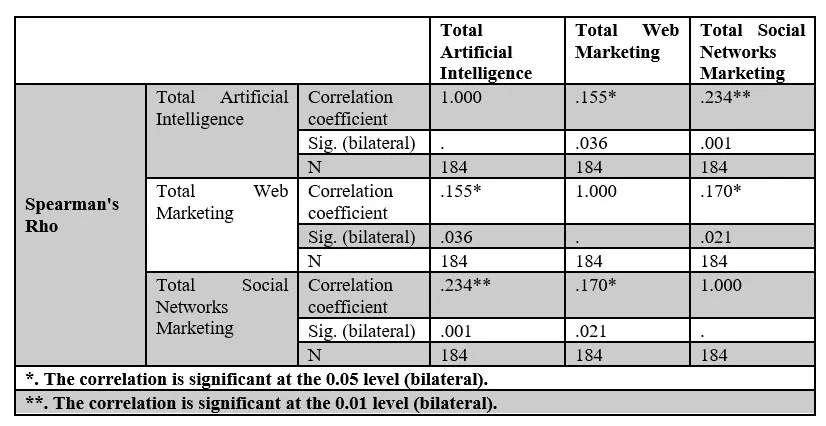
Table 1: Spearman’s rank correlation (Rho) analysis between AI and digital marketing dimensions
Source: Authors’ own elaboration based on survey data (2025).
In table 1, there is a very weak positive association, Rs = 0.155, between AI and web marketing, since the value of Tcal = 13.6558 is greater than Tc = 1.96, which allows rejecting the null hypothesis (H0) and accepting the alternative hypothesis (H1), confirming a two-sided significance of 0.036, lower than the significance level α = 5%. On the other hand, there is a weak positive association, Rs = 0.234, between AI and social media marketing, since the value of Ttcal = 13.8760 is greater than Tc = 1.96, which allows rejecting the null hypothesis (H0) and accepting the alternative hypothesis (H1), confirming a two-sided significance of 0.001, lower than the significance level α = 5%.
Correlational hypothesis test
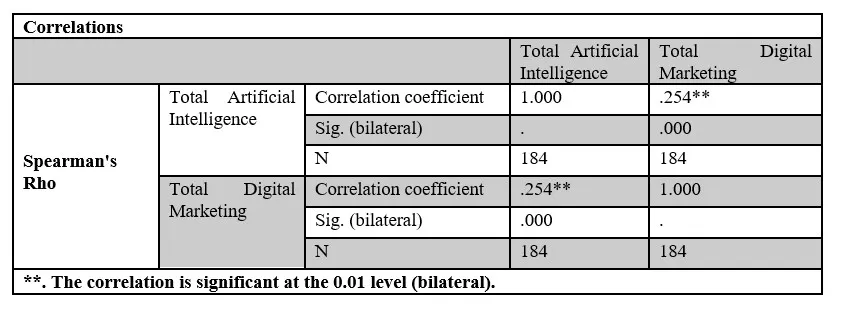
Table 2: General correlation between AI and digital marketing
Source: Authors’ own elaboration based on survey data (2025).
Table 2 shows that the value of the correlation coefficient is 0.254, which indicates a low positive correlation between the two variables. Meaning that, although there is a relationship between the use of AI and digital marketing, this relationship is not strong. Furthermore, the correlation is statistically significant (p < 0.01), indicating that the results are reliable and not the product of chance.
KMO and Bartlett test evaluation
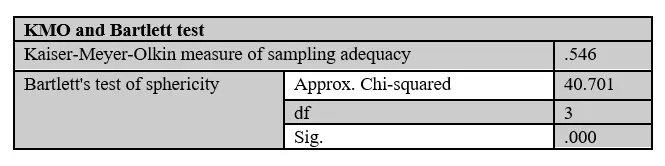
Table 3: KMO and Bartlett test analysis
Source: Authors’ own elaboration based on survey data (2025).
In table 3, the KMO value is 0.546, indicating a limited fit for factor analysis, as the variables share a low proportion of common variance. However, Bartlett’s test of sphericity has a significance of 0.000, confirming the existence of significant relationships between the variables. This meets the minimum requirements for applying factor analysis. Therefore, while it is possible to proceed with factor analysis, it is recommended to do so with caution and consider data enhancements to strengthen the factor reliability and construct validity of the model.
Principal component analysis
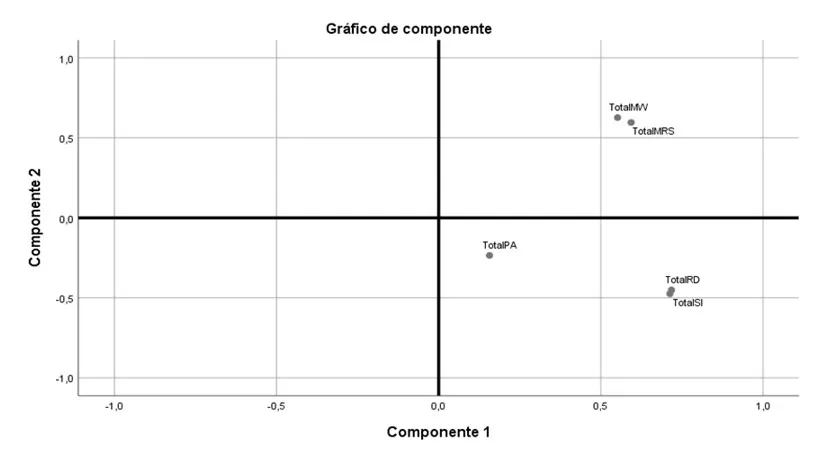
Figure 1. Principal component analysis
Source: Authors’ own elaboration based on survey data (2025).
In figure 1, the principal component analysis illustrates the relationship and grouping of the study variables with respect to both components. Variables such as total web marketing and total social media marketing show a high correlation and a positive influence on both components, reflecting significant similarities. On the other hand, total data collection and total integrated system show a positive association with component 1, but a negative association with component 2, exhibiting contrasting behavior with the former. Furthermore, the total automation process shows negative correlations in both components, suggesting a single or independent dimension. Finally, the variables located furthest from the origin, particularly total web marketing and total data collection, contribute most to explaining the variance in the data, indicating that these dimensions play a key role in shaping the technological perception profile of micro and small businesses in northern Lima. Overall, PCA confirms the existence of distinct but interconnected dimensions that define how AI and digital marketing are perceived and structured in this business context.
Exploratory factor analysis of AI
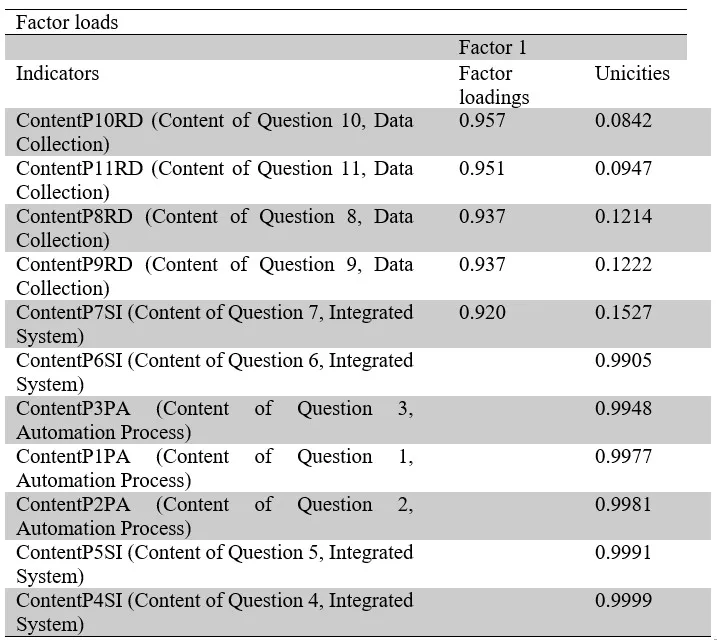
Table 4: Exploratory factor analysis of AI
Source: Authors’ own elaboration based on survey data (2025).
Table 4 presents the indicators related to AI, specifically the number of questions (P) for each AI dimension (RD, SI, and PA) linked to factor 1. It can be observed that the indicators ContentP10RD, ContentP11RD, ContentP8RD, ContentP9RD, and ContentP7SI exhibit high factor loadings, ranging from 0.920 to 0.957, indicating a strong relationship with factor 1. Furthermore, their uniqueness is low, suggesting that most of their variability is explained by the factor. On the other hand, the indicators ContentP6SI, ContentP3PA, ContentP1PA, ContentP2PA, ContentP5SI, and ContentP4SI exhibit low factor loadings and high uniqueness, ranging from 0.9905 to 0.9999, suggesting that these indicators do not contribute significantly to the model and should therefore be excluded. This could be due to respondents providing limited response variety and a lack of understanding of the questions. From a methodological perspective, this pattern suggests that these items have a weak relationship with the latent variable of technological perception of AI, and their removal could contribute to improving the factorial validity and reliability of the scale in subsequent analyses. This could be related to the limited variability in responses or the conceptual distance between these items and the dominant factor identified in this sample.
Exploratory factor analysis of digital marketing
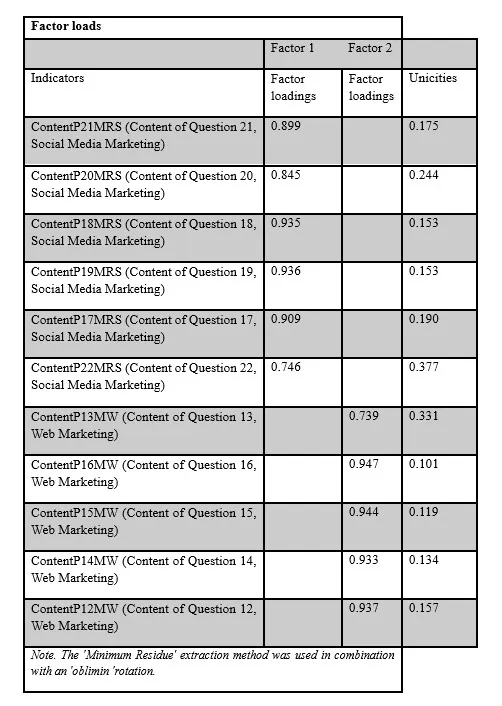
Table 5: Exploratory factor analysis of digital marketing
Source: Authors’ own elaboration based on survey data (2025).
Table 5 presents the results of an exploratory factor analysis concerning digital marketing, with the extraction of two factors based on 11 items related to social media marketing (SMM) and web marketing (WM). The items P21SMM, P20SMM, P18SMM, P19SMM, P17SMM, and P22SMM exhibit high factor loadings (ranging from 0.746 to 0.936) and low uniqueness values (ranging from 0.153 to 0.377), indicating a strong relationship with Factor 1. Factor 2 comprises the items P13WM, P16WM, P15WM, P14WM, and P12WM, which also show high factor loadings (ranging from 0.739 to 0.947) and low uniqueness values (ranging from 0.101 to 0.331). As no item displayed significant loadings on the opposing factor, all 11 items were retained. From a methodological perspective, these findings suggest that, among micro and small enterprises in the Northern Zone of Lima, social media marketing is more deeply embedded in the technological perception of digital marketing than web marketing. This distinction may reflect greater accessibility, familiarity, and usage of social media platforms compared to traditional or formal web-based strategies within the studied population.
Confirmatory factor analysis of the AI
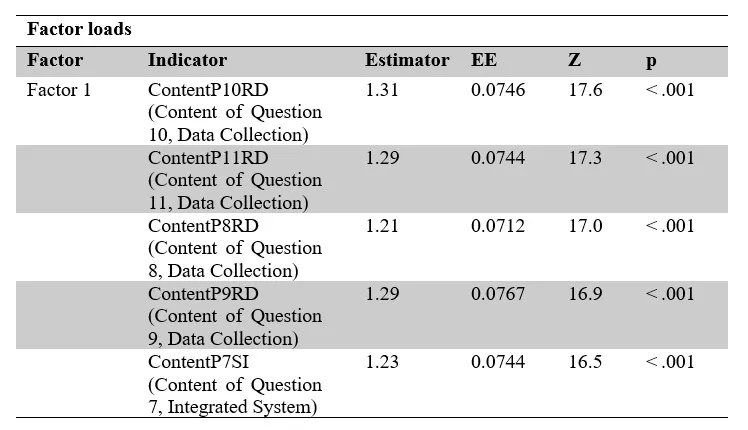
Table 6: Confirmatory factor analysis of the AI
Source: Authors’ own elaboration based on survey data (2025).
Table 6 presents the AI indicators associated with Factor 1 in the confirmatory factor analysis. The reported values correspond to unstandardized factor loadings (between 1.21 and 1.31), all positive and statistically significant, indicating a strong association with the latent construct. Furthermore, the standard errors are low, suggesting stability and precision in the estimates. The z-values are greater than 16 and the p-values are less than 0.001, confirming the robustness of the model and the statistical significance of each indicator. These results empirically support the convergent validity of the construct in the context of the technological perception of artificial intelligence in digital marketing.
Confirmatory factor analysis of digital marketing
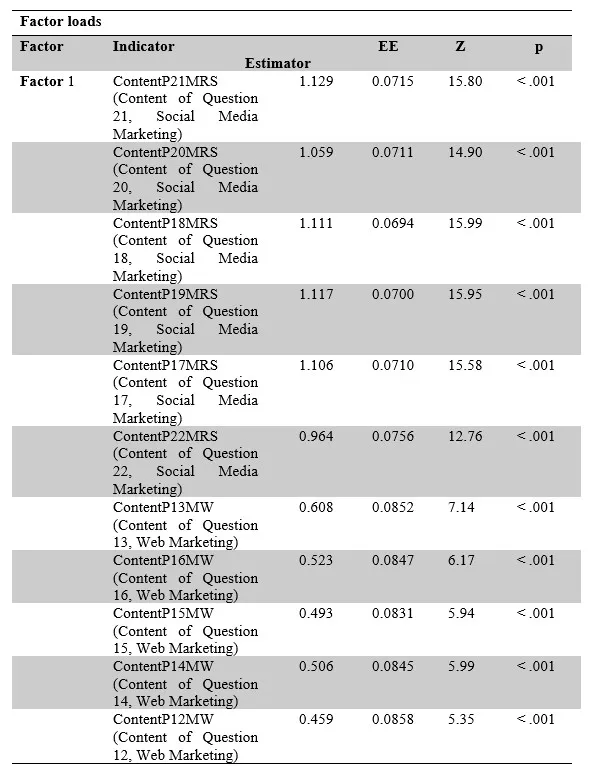
Table 7: Confirmatory factor analysis of digital marketing
Source: Authors’ own elaboration based on survey data (2025).
Table 7 shows the digital marketing indicators associated with factor 1 in the confirmatory factor analysis. Indicators P21MRS, P20MRS, P18MRS, P19MRS, P17MRS, and P22MRS have high factor loadings (between 0.964 and 1.129) and are statistically significant (p < 0.001), indicating a strong association with factor 1. Furthermore, their high Z-values reinforce the validity of the relationships. On the other hand, indicators P13MW, P16MW, P15MW, P14MW, and P12MW have lower factor loadings (between 0.459 and 0.608) but are still statistically significant. These indicators contribute to the model, although with a relatively smaller influence than that of “MRS.” Overall, the confirmatory analysis supports the unidimensional structure of the digital marketing variable, with a greater representation of the social media marketing dimension. This result suggests that, in the context of micro and small enterprises in the Northern Zone of Lima, digital marketing is perceived and operationalized mainly through social media platforms, rather than traditional web strategies.
Discussion
Perception is a key factor in the adoption of artificial intelligence (AI) in digital marketing by SMEs. Beyond access to the technology, adoption depends on how entrepreneurs understand, value, and trust its usefulness, as highlighted by Chaffey and Ellis-Chadwick (2016). In this sense, perception becomes the starting point for digital transformation and innovation processes. AI offers significant advantages, such as task automation, data analysis, and personalization, which were previously only available to large companies. Davenport (2018) emphasizes that its main value lies in improving data-driven decision-making, especially in resource-constrained contexts. However, these benefits depend on whether entrepreneurs perceive AI as accessible and beneficial, rather than complex or risky. Despite its potential, micro and small enterprises face significant barriers, such as a scarcity of financial resources, a lack of skilled personnel, and insufficient knowledge (Mikalef et al., 2023). The OECD (2021) identifies these challenges as part of a broader digital divide, which is not only technological but also cognitive and cultural. Studies such as Bala and Verma (2018) demonstrate that a positive perception of AI encourages the use of advanced analytical tools and improves marketing effectiveness. Similarly, Kotler et al. (2017) argue that companies with a favorable technological perception achieve greater engagement and trust with digital consumers through personalization and automation. In the context of northern Lima, where many micro and small enterprises still operate under traditional models, perception directly influences their willingness to adopt AI in digital marketing. When AI is perceived as useful and manageable, it facilitates process optimization and access to digital markets. Conversely, when it is perceived as complex or inaccessible, it reinforces resistance and limits growth opportunities. In conclusion, the adoption of AI in micro and small enterprises depends not only on technological availability but primarily on the perceptions of entrepreneurs.
Conclusion
The study confirms that perception is a key factor in the adoption of artificial intelligence (AI) in the digital marketing of micro and small enterprises (MSEs) in the Northern Zone of Lima. While AI represents a strategic tool for improving efficiency and competitiveness, its use depends primarily on how entrepreneurs understand and value it. The results reveal a predominantly limited or negative perception, associated with a lack of knowledge, insufficient training, and the belief that AI is complex and expensive. This restricts its adoption and creates a gap not only in technology but also in attitudes toward innovation. However, this situation also represents an opportunity. Strengthening a positive perception of AI can drive digital transformation, allowing MSEs to optimize their marketing strategies, improve customer relationships, and expand their digital presence. Therefore, it is essential to implement training, awareness, and support initiatives that foster trust in AI. The study highlights that the main challenge is not only access to the technology but also how it is perceived, which is crucial for improving competitiveness and sustainability in a dynamic business environment.
Acknowledgments
The researchers express their deep gratitude to God for the wisdom and strength provided during the development of this study. Likewise, we thank our families for their unconditional support and constant motivation throughout this academic process. We acknowledge the Peruvian Union University for its professional training and academic support. We especially thank the micro and small enterprises (MSEs) that participated in the research for their willingness and valuable collaboration. Finally, we express our sincere gratitude to the Peruvian Union University for the funding provided for the publication of this article.
References
Agrawal, A. (2019), ‘Artificial intelligence: the ambiguous labor market impact of automating prediction,’ Journal of Economic Perspectives, 33(2), 31–50.
Alalwan, A. A. (2018), ‘Investigating the impact of social media advertising features on customer purchase intention,’ International Journal of Information Management, 42, 65–77.
Alvarez, C., Schubert, T., and Benedetti, V. (2020), Digital marketing as a business opportunity for companies that sell to other companies, National University of San Martín.
Álvarez-Maldonado, D., Pénnanen-Arias, C., Barrientos Oradini, N., and Vega Donoso, X. (2024), ‘Artificial intelligence and entrepreneurship: a systematic review from a contextual approach,’ Journal of the Academy, (11), 33–52.
Aragoncillo, L. and Orús, C. (2018), ‘Impulse Buying Behaviour: An Online-Offline Comparative and the Impact of Social Media,’ Spanish Journal of Marketing – ESIC, 22 (1), 42–62.
Ardila, D. (2019), ‘End-to-end lung cancer screening with three-dimensional deep learning on low-dose chest computed tomography,’ Nature Medicine, 25(6), 954–961.
Armenteros-Piedra, N. R., Jiménez-García, M., and Romero-García, J. A. (2024), ‘Relationship between technological tools, company characteristics, and revenue in Mexican SMEs: cluster analysis,’ Technological Information, 35(2), 37–48.
Artunduaga, J. Á. A. (2023), Artificial intelligence in business administration, University of Rosario.
Bala, M. and Verma, D. (2018), ‘A critical review of digital marketing,’ International Journal of Management,’ IT & Engineering, 8(10), 321–339.
Bhattacharjee, S. (2019), ‘Metamorphic transformation: critically understanding artificial intelligence in marketing,’ Asia Pacific Journal of Multidisciplinary Research, 7(4), 61–70.
Bedoya González, J. D. (2023), Impact of digital marketing on the development of emerging companies: The new era, Tecnológico de Antioquia Institución Universitaria.
Bricio Samaniego, K., Calle Mejía, J. and Zambrano Paladines, M. (2018), ‘Digital marketing as a tool in job performance in the Ecuadorian context: a case study of graduates from the University of Guayaquil,’ Revista Universidad y Sociedad, 10(4), 103–109.
Brown, T. B., Mann, B., Ryder, N., Subbiah, M., Kaplan, J., Dhariwal, P., Neelakantan, A., Shyam, P., Sastry, G., Askell, A., et al. (2020), ‘Language models are few-shot learners,’ Advances in Neural Information Processing Systems (NeurIPS), 33, 1877–1901.
Bustamante Vergara, N. A. and Francia Malpartida, F. E. (2022), The importance of digital marketing in acquiring new clients in international freight forwarding agencies, Lima 2021, Universidad San Ignacio de Loyola.
Calero González, I. A., Vílchez Delgado, J. A. and Zambrana Barahona, Y. R. (2020), Digital marketing: digital marketing tools, Universidad Nacional Autónoma de Nicaragua.
CALIPSO (2023), ‘Predictive analytics with ERP: making effective strategic decisions,’ A Company in Visma. [Online], [Retrieved May 5, 2026], https://www.calipso.com/e-books/analisis-predictivo-con-erp/
Cano-Marin, J., Torres-Pruñonosa, J., Gil-Gómez, H., and Palacios-Marqués, D. (2023), ‘The empirical study of digital marketing strategy and performance in small and medium-sized enterprises (SMEs),’ Technological Forecasting and Social Change, 200, 123-142.
Carrasco, S. (2015), Analysis of the application of mobile technology in companies, Polytechnic University of Valencia.
Carrillo Ancheyta, M. A. and Sosa Zúñiga, D. G. (2025), ‘The impact and trends of artificial intelligence (AI) in digital marketing,’ Ciencia Latina Multidisciplinary Scientific Journal, 9(1), 9741–9765.
Cerón, R. and Ponce, C. (2015), Elements of digital marketing, Marketing and Advertising Committee of AMIPCI.
Chaffey, D. and Ellis-Chadwick, F. (2016), Digital marketing: strategy, implementation and practice, Pearson Education.
Chaffey, D. and Smith, P. (2017), Digital marketing excellence: planning, optimizing and integrating online marketing, Routledge.
Chen, X. (2024), ‘The impact of digital economy on industrial carbon emission efficiency at the city level in China: gravity movement trajectories and driving mechanisms,’ Environmental Technology and Innovation, 33, 103511.
Cristofaro, M., Giannetti, F., and Abatecola, G. (2023), ‘The initial survival of the unicorns: a behavioral perspective of Snapchat,’ Journal of Management History, 29(4), 456–480.
CtoPerú (2022), ‘IBM Study: The Constant Deployment of AI Continues in Peru,’ CtoPerú. [Online], [Retrieved May 5, 2026], https://ctoperu.pe/articulo/34919/estudio-de-ibm-el-despliegue-constante-de-ia-continua-en-peru
Cuervo Sánchez, C. A. (2021), ‘Effects of artificial intelligence on marketing strategies: literature review, ‘ ADResearch ESIC, 24(24), 26–41.
Davenport, T. H. (2018), The AI advantage: how to put the artificial intelligence revolution to work, MIT Press, Cambridge.
David Cáceres, J. (2023), ‘Artificial intelligence and its implications for marketing,’ Palermo Business Review, (27), 39–55.
Dwivedi, Y. K., Ismagilova, E., Hughes, D. L., Carlson, J., Filieri, R., Jacobson, J., Jain, V., Karjaluoto, H., Kefi, H., Krishen, A. S., Kumar, V., Rahman, M. M., Raman, R., Rauschnabel, P. A., Rowley, J., Salo, J., Tran, G. A., and Wang, Y. (2021), ‘Setting the future of digital and social media marketing research: perspectives and research propositions,’ International Journal of Information Management, 59, 102-168.
Espinoza Solis, E. (2019), Digital marketing plan and proposed e-commerce development strategies for La Curacao stores in Lima, Universidad del Pacífico.
Félix Díaz, I. A. and Argomedo Sotelo, G. Y. (2022), Impact of the adoption of artificial intelligence as a business strategy in service sector companies during the pandemic in Peru, Pontifical Catholic University of Peru.
Fernández, A. (2019), ‘Artificial intelligence in financial services,’ Economic Bulletin – Bank of Spain 2, 1-7.
Filipiak, K. and Markiewicz, A. (2012), ‘Digital marketing strategies in city branding,’ Electronic Journal of Linear Algebra, 25, 102–118.
Flavián, C., Ibáñez-Sánchez, S. and Orús, C. (2019), ‘The impact of virtual, augmented and mixed reality technologies on the customer experience,’ Journal of Business Research, 100, 547–560.
Fuentes Nacaza, T. P. (2024), Digital strategies for the dissemination of CONAGOPARE Pichincha services, Technical University of Cotopaxi
García-Jiménez, A.J., Aguilar-Morales, N., Hernández-Triano, L., and Lancaster-Díaz, E. (2021), ‘Business intelligence: a key tool for information use and business decision-making,’ Revista de Investigaciones Universidad del Quindío, 33 (1), 132-139.
Gawali, RB. and Khemnar, TT. (2023), ‘Digital Marketing Practices and its Impact on SMEs: A Literature Review,’ ‘RESEARCH JOURNEY’ International E-Research Journal, Special Issue 330(B), 193–205.
Gómez, L. (2021) Artificial intelligence and SMEs: chatbots, Universidad Politécnica de Cartagena.
Guevara Alban, G. P., Verdesoto Arguello, A. E., and Castro Molina, N. E. (2020), ‘Educational research methodologies (descriptive, experimental, participatory, and action research),’ RECIMUNDO, 4(3), 163–173.
Haefner, N., Wincent, J., Parida, V. and Gassmann, O. (2021), ‘Artificial intelligence and innovation management: a review, framework, and research agenda,’ Technological Forecasting and Social Change, 162, 120392.
Haleem, A., Javaid, M., Asim Qadri, M., Pratap Singh, R. and Suman, R. (2022), ‘Artificial intelligence (AI) applications for marketing: a literature-based study,’ International Journal of Intelligent Networks, 3, 119–132.
Handley, A. and Chapman, C. (2013), Content rules: how to create killer blogs, podcasts, videos, ebooks, webinars and more that engage customers and ignite your business, Alta Books.
Hashimoto, M. (2018), ‘Evolvability and neurodegenerative disease: antagonistic pleiotropy phenomena derived from amyloid aggregates,’ Journal of Parkinson’s Disease, 8(3), 405–408.
Hernández Sampieri, R., Fernández Collado, C. and Baptista Lucio, M. P. (2014), Research methodology, McGraw-Hill Interamericana.
Holliman, G. and Rowley, J. (2014), ‘Business to business digital content marketing: marketers’ perceptions of best practice’, Journal of Research in Interactive Marketing, 8(4), 269–293.
Hussain, A and Rizwan, R. (2024), ‘Strategic AI adoption in SMES: A Prescriptive Framework,’ arXiv preprint arXiv:2408.11825 [cs.AI], 1-17.
IBM (2023), ‘IBM global AI adoption index: enterprise report,’ IBM. [Online], [Retrieved May 5, 2026],https://filecache.mediaroom.com/mr5mr_ibmspgi/179414/download/IBM%20Global%20AI%20Adoption%20Index%20Report%20Dec.%202023.pdf
National Institute of Statistics and Informatics (INEI) (2020), ‘Peru: business structure 2020,’ INEI. [Online], [Retrieved May 5, 2026], https://www.inei.gob.pe/media/MenuRecursivo/publicaciones_digitales/Est/Lib1861/libro.pdf
Jamwal, A. and Agrawal, R. (2021), ‘Industry 4.0 technologies for manufacturing sustainability: a systematic review and future research directions,’ Applied Sciences, 11(12), 57-25.
Jiang, F. (2017), ‘Artificial intelligence in healthcare: past, present and future,’ Stroke and Vascular Neurology, 2(4), 230-243.
Jiménez Gordillo, P. A., Vásquez Treviño, D. M. and Blanco Jiménez, M. (2025), ‘Digital marketing strategies for product promotion in international markets,’ VinculaTégica EFAN 11 (3), 55-68.
Kannan, P. K. and Li, H. (2023), ‘The making of marketing decisions in modern marketing environments,’ Journal of Business Research, 162, 113872.
Keles, B., McCrae, N. and Grealish, A. (2020), ‘A systematic review: the influence of social media on depression, anxiety and psychological distress in adolescents,’ International Journal of Adolescence and Youth, 25(1), 79–93.
Kerpen, D. (2015), Likeable social media: how to delight your customers, create an irresistible brand and be generally amazing on Facebook (and other social networks), McGraw-Hill.
Kerpen, D. (2011), Likeable social media, McGraw-Hill.
Kotler, P. (2018), Marketing management, Pearson.
Kotler, P., Kartajaya, H. and Setiawan, I. (2017), Marketing 4.0: moving from traditional to digital, John Wiley & Sons.
Lin, J., Chen, Y., Xie, J., and Mo, L. (2022), ‘Altered brain connectivity patterns of individual differences in insightful problem solving,’ Frontiers in Behavioral Neuroscience, 16, 1–9.
Mackay-Castro, C. R., Muñoz-Feraud, I. L., Medrano-Freire, E. L. and Mackay-Véliz, R. A. (2023), ‘Artificial intelligence as a new alternative for marketing,’ 593 Digital Publisher CEIT, 8(6), 660–670.
Machucho, R. and Ortiz, D. (2025), ‘The Impacts of Artificial Intelligence on Business Innovation: A Comprehensive Review of Applications, Organizational Challenges, and Ethical Considerations,’ Systems 13 (4), 264.
Makarius, E. (2020), ‘Rising with the machines: a sociotechnical framework for bringing artificial intelligence into the organization,’ Journal of Business Research, 120, 12–20.
Martínez-Ortega, A. G. and Medina-Chicaiza, P. (2020), ‘Technologies in artificial intelligence for marketing: a literature review,’ Pro Sciences, 4(30), 36–47.
Manyika, J., Chui, M., Miremadi, M., Bughin, J., George, K., Willmott, P., and Dewhurst, M. (2017), ‘A Future That Works: Automation, Employment, and Productivity,’ McKinsey Global Institute. [Online], [Retrieved May 5, 2026], https://www.mckinsey.com/mgi/overview/about-us-mgi-research-reports
Mikalef, P., Islam, N., Parida, V., Singh, H., and Altwaijry, N. (2023), ‘Artificial intelligence (AI) competencies for organizational performance: a B2B marketing capabilities perspective,’ Journal of Business Research, 164, 113998.
Organisation for Economic Co-operation and Development. (2021), The digital transformation of SMEs, OECD Publishing, Paris.
Ortiz Ramírez, J. (2018), Designing a digital marketing plan: a case study of Charly Autoparts—University of El Salvador.
Paisano-Serrano, J. J. (2025), ‘Artificial intelligence in orthodontics and dentistry: a systematic review. Cuaderno de Odontología, ‘ Scientific Journal, 3(1), 1–7.
Páiz, E. L. (2019), ‘Strategic marketing in the industrial sector,’ Estuarine, Coastal and Shelf Science, 2020(1), 473–484.
Paschen, U., Pitt, C., and Kietzmann, J. (2020), ‘Artificial intelligence: building blocks and an innovation typology,’ Business Horizons, 63(2), 147–155.
Quian, A. (2024), ‘Artificial intelligence in the press: comparative study and exploration of news with ChatGPT in a traditional and a digital native media,’ Revista de Comunicación, 23(1), 457–483.
Ryan, D. and Jones, C. (2014), Understanding digital marketing: Marketing strategies for engaging the digital generation (3rd ed.). Kogan Page.
Rojas Guillen, J. A. and Quispe Bautista, W. E. (2025), ‘The influence of artificial intelligence on business operational efficiency: a systematic review,’ Proceedings of the 23rd LACCEI International Multi-Conference for Engineering, Education, and Technology, 16-18 July 2025, Mexico City, Mexico, 1-9.
Sánchez Armas, J. and Zavala Roque, C. P. (2023), Application of artificial intelligence and its relationship with the optimization of the logistics chain, Universidad Peruana de Ciencias Aplicadas.
Serra, M. C. (2017), ‘Social media as tools for accessing information in university teaching,’ Digital Education Review, (32), 118–129.
Sosa Sierra, M. C. (2007), ‘Artificial intelligence in business financial management,’ Thought and Management, (23), 1–35.
Stelzner, K., Kersting, K. and Kosiorek, A. R. (2020), ‘Generative Adversarial Set Transformers,’ Proceedings of the Workshop on Object-Oriented Learning at ICML 2020, 18 July 2020, Vienna, Austria, 1-6.
Sun, S., Zhang, F., Liao, K., and Chang, V. (2021), ‘Determine factors of NFC mobile payment continuous adoption in shopping malls: evidence from Indonesia,’ International Journal of Business Intelligence Research, 12(2).
Toledano Cuervas-Mons, F. and Miguel San Emeterio, B. (2015), ‘Content Marketing Tools for Qualified Web Traffic,’ Opción, 31 (4), 978–96.
Verhoef, P. C., Broekhuizen, T., Bart, Y., Bhattacharya, A., Dong, J. Q., Fabian, N. and Haenlein, M. (2021), ‘Digital transformation: a multidisciplinary reflection and research agenda,’ Journal of Business Research, 122, 889–901.
Xiaoqian, K. (2022), ‘AI-enabled opportunities and transformation challenges for MSMEs in the post-pandemic era: a review and research agenda,’ Frontiers in Public Health, 10, 1–11.
Zarrella, D. (2010), The social media marketing book, O’Reilly Media.